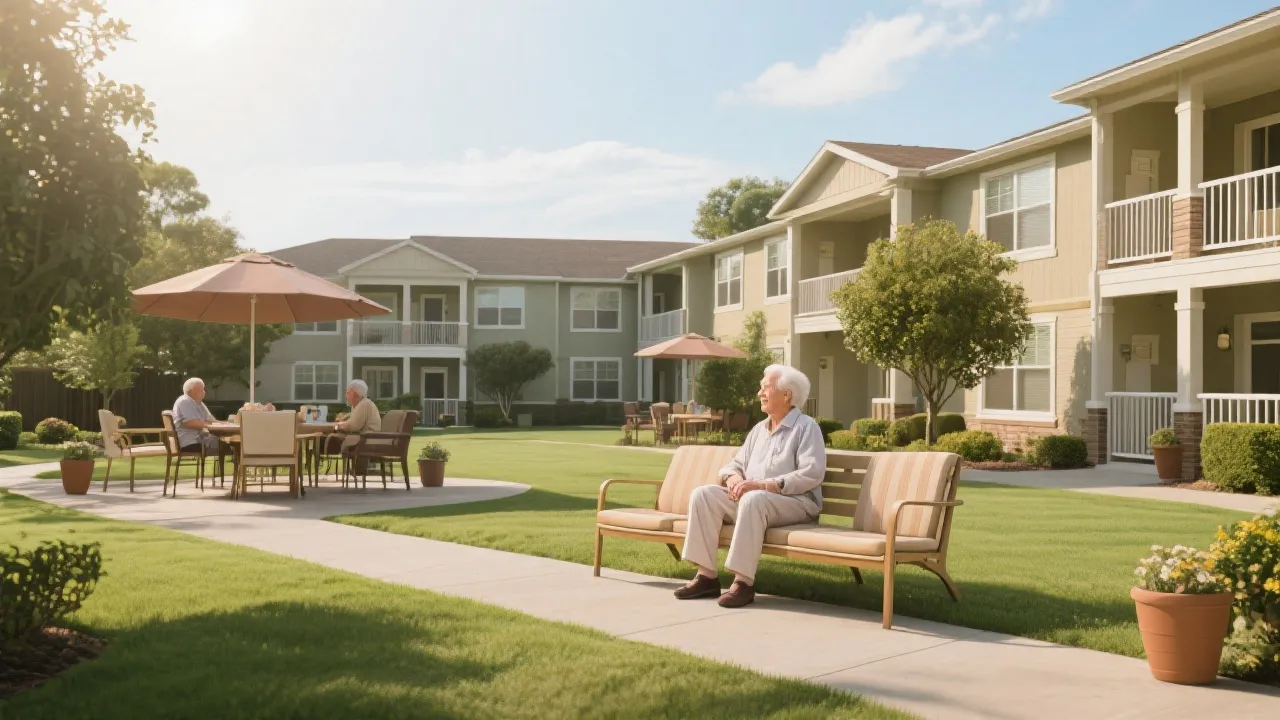
Navigating Homes for 55 and Older
This guide explores senior living options, particularly focusing on homes for people aged 55 and older. Such homes cater to active adults seeking a community lifestyle with diverse amenities. The market offers rental options with varying costs and benefits, providing numerous resources from organizations for English-speaking individuals in nearby countries.

Understanding Homes for 55 and Older
In recent years, there has been an increasing demand for homes specifically designed for individuals aged 55 and older. These homes offer a variety of living arrangements ranging from independent living to specialized care options such as assisted living and memory care. Tailored to meet the needs of active seniors, these communities focus on providing not only a safe environment but also promoting a vibrant social life. Beyond these basic provisions, many 55 and older communities strive to create an atmosphere of inclusivity and engagement, recognizing that the needs and interests of seniors can vary significantly. This desire has stimulated the evolution of senior living from traditional care facilities into dynamic neighborhoods filled with diverse activities.
The Evolution of Senior Living Communities
The concept of senior living has significantly evolved over the past few decades. Historically, retirement homes were predominantly viewed as places for individuals needing full-time assistance with daily activities. However, contemporary homes for those aged 55 and older are more akin to lifestyle communities that prioritize wellness, recreational activities, and social interaction. Importantly, these communities are designed not only for health care but also for fostering a supportive network among residents, enabling seniors to maintain their independence while having access to essential services and opportunities for companionship.
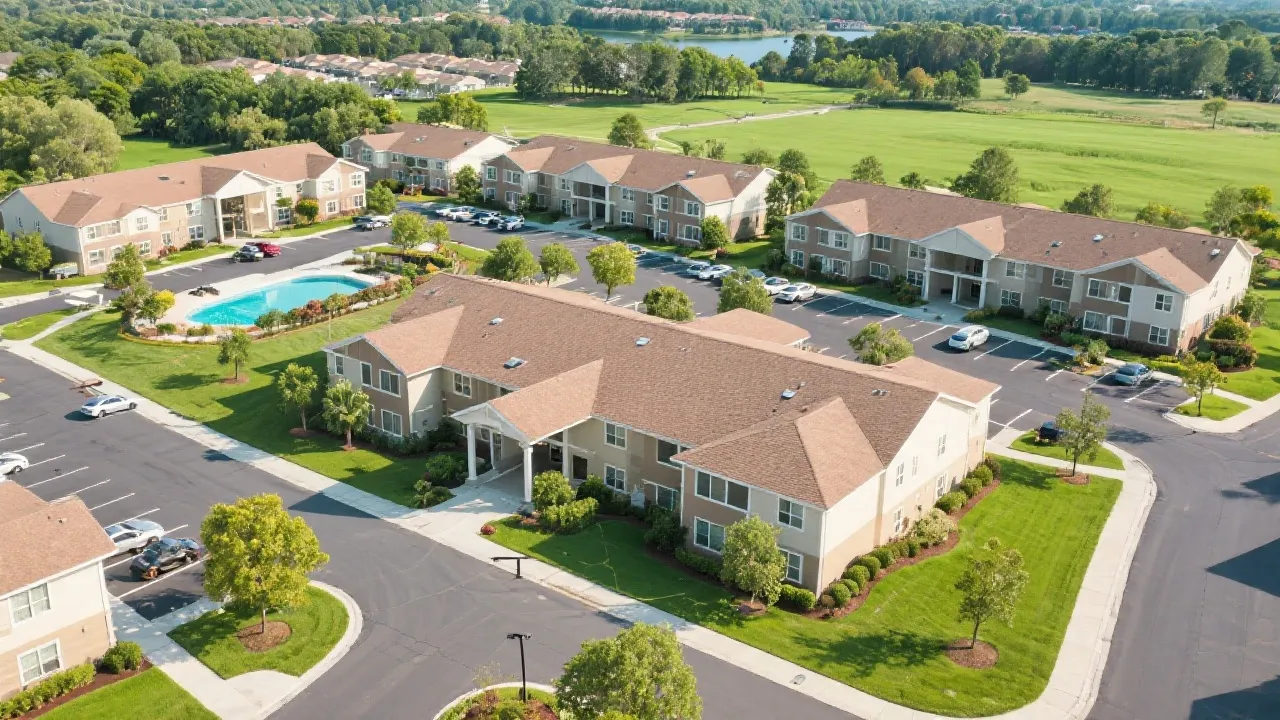
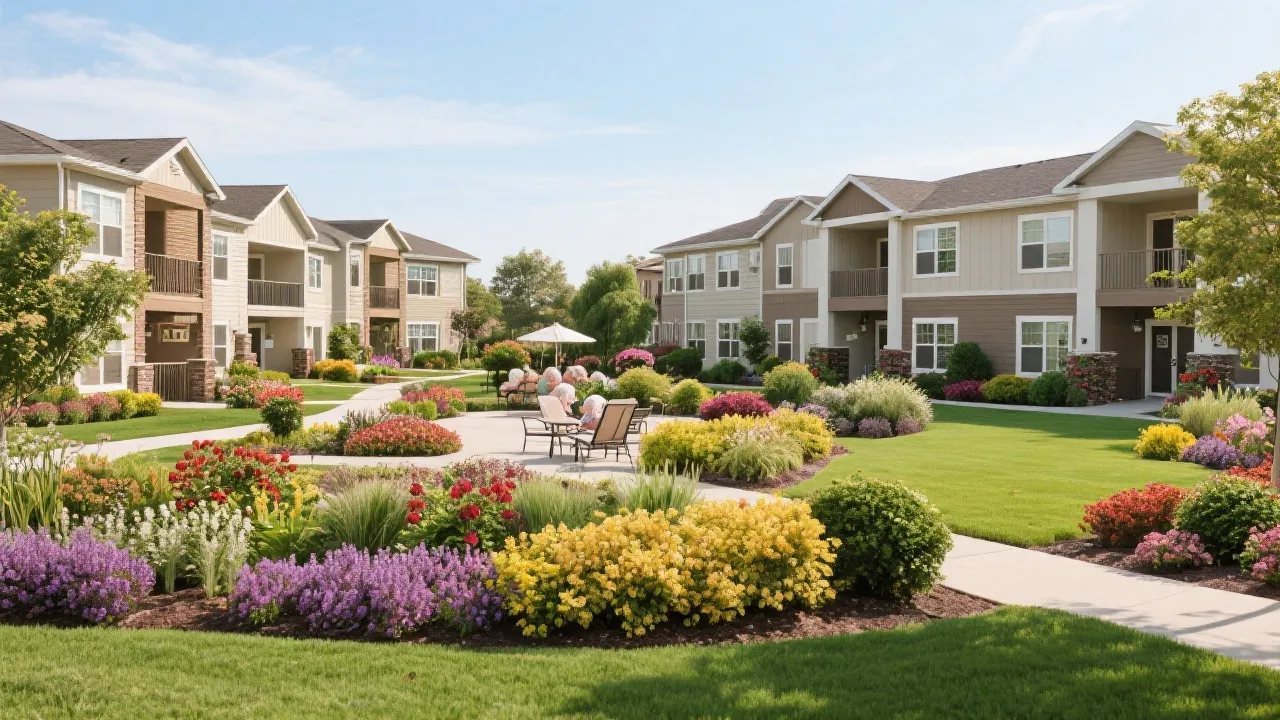
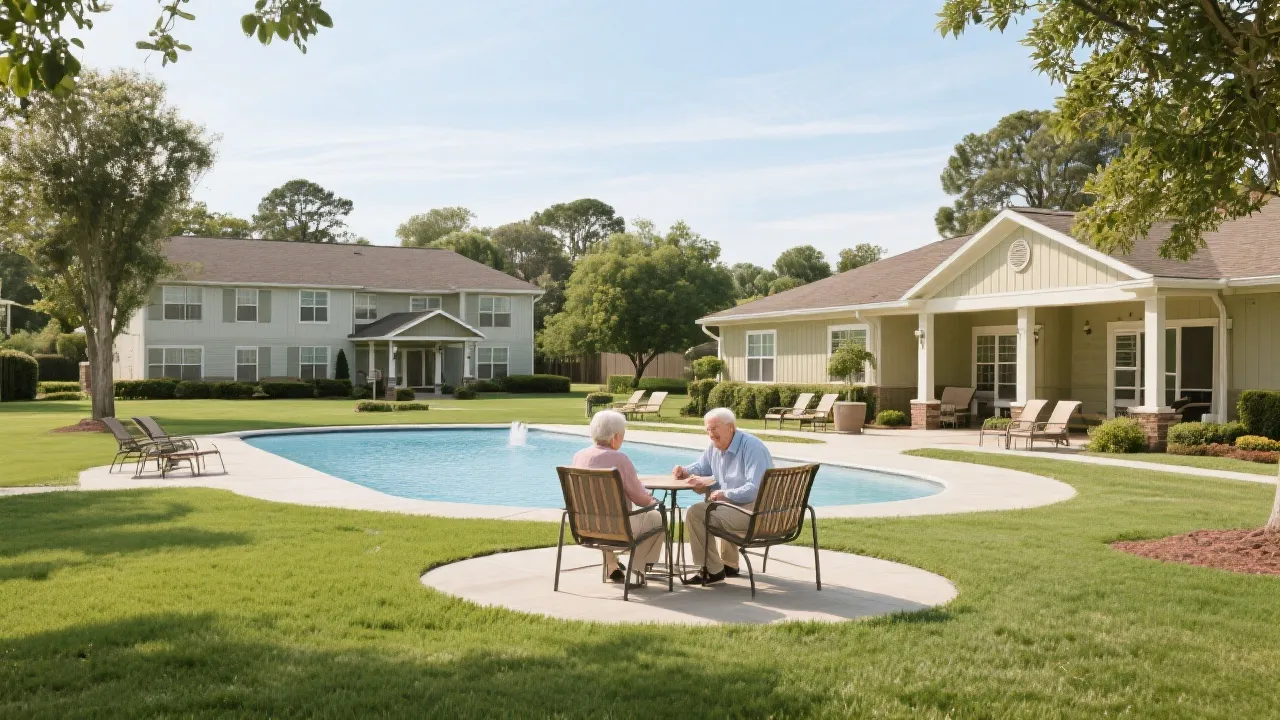
Many of these communities now encompass amenities such as recreational centers, fitness facilities, swimming pools, walking trails, and community gardens. Social calendars brimming with organized events, clubs, and classes encourage participation and ensure that residents remain actively engaged in the community. Such designs help to combat isolation, a common issue among the elderly, and promote a more fulfilling lifestyle.
Benefits of Age-Restricted Communities
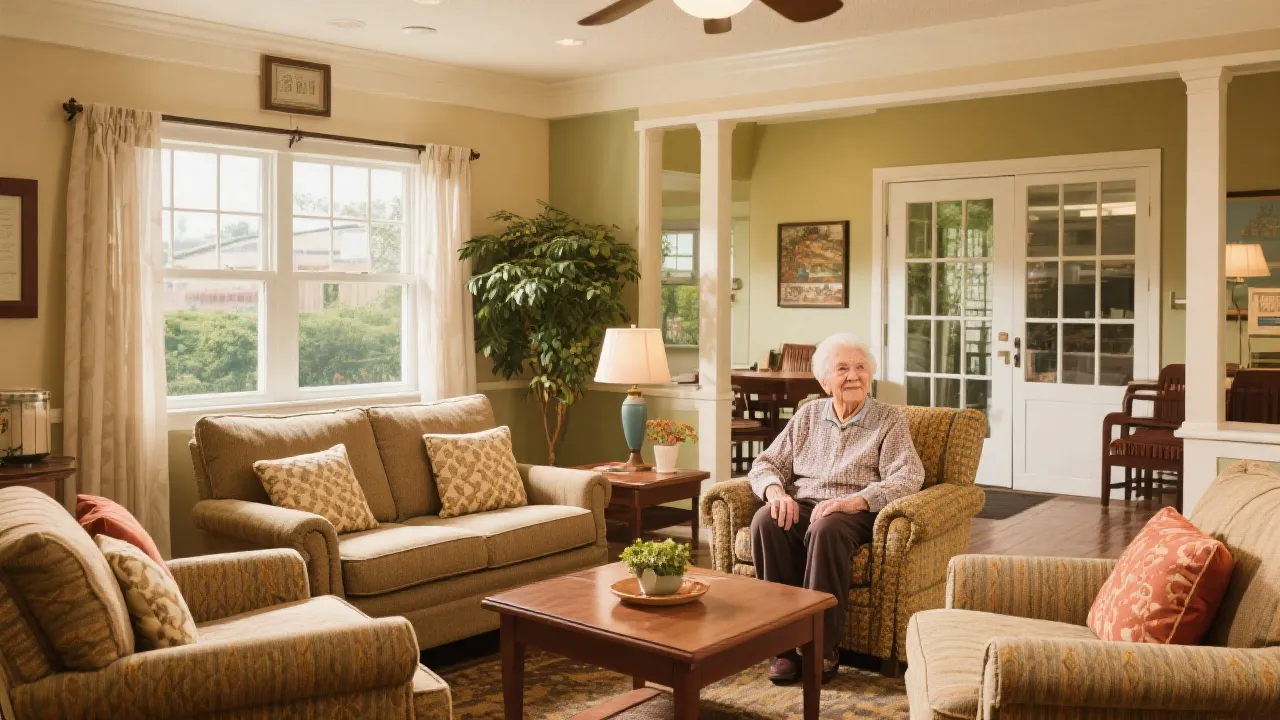
Homes for 55 and older offer numerous benefits, including access to recreational amenities, social activities, and in many cases, healthcare services. Residents often find themselves part of a likeminded community, fostering friendships and an active lifestyle. These communities often feature houses or apartments designed with senior-friendly features, ensuring a comfortable and safe living environment. Key benefits include:
- Social Interaction: Regular community events facilitate friendships, combat loneliness, and result in a much more enriching living experience.
- Safety and Security: Many communities feature gated access, security personnel, and well-lit areas – all contributing to peace of mind for residents and their families.
- Accessibility: Homes are designed with mobility challenges in mind, featuring wider doorways, grab bars, and single-level designs to prevent falls and improve accessibility.
- Health Services: Immediate access to healthcare professionals and wellness programs minimizes obstacles to necessary health care and preventive services.
- Convenience: Proximity to shopping, cultural activities, dining, and healthcare facilities enhances the quality of life, making it easier for residents to maintain their independence.
Rental Options and Price Range
The cost of renting homes for 55 and older varies significantly based on location and amenities offered. Rental prices can reflect local real estate trends, the desirability of specific areas, and the types of amenities available. Here's a snapshot of rental cost ranges in English-speaking countries:
| Country | City Type | Price Range |
|---|---|---|
| United States | Large cities | $2,000 - $4,000 per month |
| United States | Smaller cities | $1,000 - $2,000 per month |
| United Kingdom | Large cities | £1,500 - £3,000 per month |
| United Kingdom | Smaller cities | £800 - £1,500 per month |
| Australia | Large cities | AUD 2,000 - AUD 3,500 per month |
| Australia | Smaller cities | AUD 1,200 - AUD 2,000 per month |
Prices reflect not only the cost of living in the area but also demand for senior housing in more populous regions. Moreover, some communities may offer varying levels of care or services that can substantially alter the cost of living. Within communities, additional fees may be associated with specific services, such as meal plans or transportation services, and it is crucial for prospective residents to understand the complete breakdown of potential costs before making a decision.
Understanding Different Living Arrangements
Within age-restricted communities, there are various types of living arrangements suited to different levels of independence and need:
- Independent Living: Ideal for active seniors who are capable of living on their own but prefer a community setting that offers social interaction and support services, such as housekeeping and meal options.
- Assisted Living: Suitable for seniors who require assistance with daily tasks like bathing, dressing, and medication management. These setups often include housing units with staff available around the clock.
- Memory Care: Specialized programs and facilities cater to individuals with Alzheimer’s disease or other forms of dementia. This sector is designed to create a secure environment, focusing on cognitive engagement and healing.
- Continuing Care Retirement Communities (CCRC): Offer multiple levels of care, allowing residents to remain in one location even as their healthcare needs change over time.
- Skilled Nursing Facilities: Provide more intensive medical care for seniors needing rehabilitation or ongoing medical treatment.
Each of these arrangements serves a unique segment of the senior population. Families and individuals should assess their needs both now and in the future when considering various living arrangements, ensuring they make a well-informed decision that promotes long-term satisfaction.
Accessing Resources in English-Speaking Countries
Several organizations offer invaluable resources for those interested in homes for the 55 and older demographic:
| Organization | Services Offered |
|---|---|
| AARP | Provides resources on senior living options in the U.S., including guides on choosing the right community. |
| SeniorLiving.org | Offers directories of senior communities, pricing, types of care, and amenities in the U.S. |
| NSCLC | Focuses on seniors' rights and provides resources for housing and care options. |
| NASMM | Connects seniors with move managers to aid the transition to senior living communities. |
For more details, visit their respective websites: AARP, SeniorLiving.org, NSCLC, NASMM.
Finding Affordable Senior Living Options
Identifying budget-friendly senior living options requires careful planning. Prospective residents should start with thorough online research, using directories available on platforms like AARP and SeniorLiving.org. Evaluate costs, services, and amenities offered in different communities. Consider factors like location and ease of access to healthcare facilities.
In addition to online research, reaching out to local senior centers, social services, and even churches or community organizations can yield valuable insights and options. Networking within existing communities can often lead to discovering incredible opportunities that may not be prominently advertised, including shared living arrangements or non-profit organizations focused on affordable housing. Utilizing a mixture of these strategies can enhance the likelihood of finding an affordable yet satisfactory living arrangement.
Common Questions in the Search for Senior Living
When it comes to the transition to a 55 and older community, potential residents and their families often have a plethora of questions and concerns. Addressing common inquiries can ease the decision-making process:
- What are homes for 55 and older?
These are residential communities designed for individuals aged 55 and older, focusing on leisure activities and community living. They are aimed at enhancing the quality of life through supportive services and vibrant communal activities.
- What should I consider when choosing a senior living community?
Key considerations include location, cost, amenities, level of care required, and proximity to family and medical facilities. One should also assess the social vibe of the community and any additional services that may be provided, such as transportation or meal delivery.
- How can I find low-cost senior living options?
Utilize online directories and resources like AARP or SeniorLiving.org to compare prices and facilities. Engage a senior living advisor for personalized guidance to assist in navigating the available options and finding potential discounts or assistance programs.
- Is it possible to negotiate rental costs?
In some instances, especially in competitive markets, it may be possible to negotiate rental costs or request concessions, such as reduced deposits or discounted rates for longer leases. It’s advisable to approach this delicately, thinking about factors such as demand and the specific community dynamics.
- Can family members live in the community as well?
Most age-restricted communities allow for family members to visit and even stay temporarily; however, full residency typically requires adherence to the 55-and-older age policy. Some communities may have provisions for younger family members, such as caregivers or grandchildren visiting.
Conclusion
Homes for 55 and older provide a diverse range of living options tailored to active adults across the globe. With the cost and amenities varying by country and city type, seniors can choose accommodations that best suit their lifestyle and financial capacity. The shift in how society views these residences reflects a more profound understanding of aging—the recognition that older individuals desire to maintain independence while having access to affable partnerships and essential resources. By leveraging resources provided by organizations in English-speaking countries, families and seniors can make informed choices about their future living arrangements. Ultimately, these communities offer not just a place of residence, but a pathway to engaging, fulfilling, and enriched later years, encouraging residents to thrive in all aspects of their lives.
Disclaimer: The above information is based on online resources available as of October 2023. For the very current information, please refer to the official websites of the mentioned organizations.
References
Source links: