The Rise of Electric Automobiles
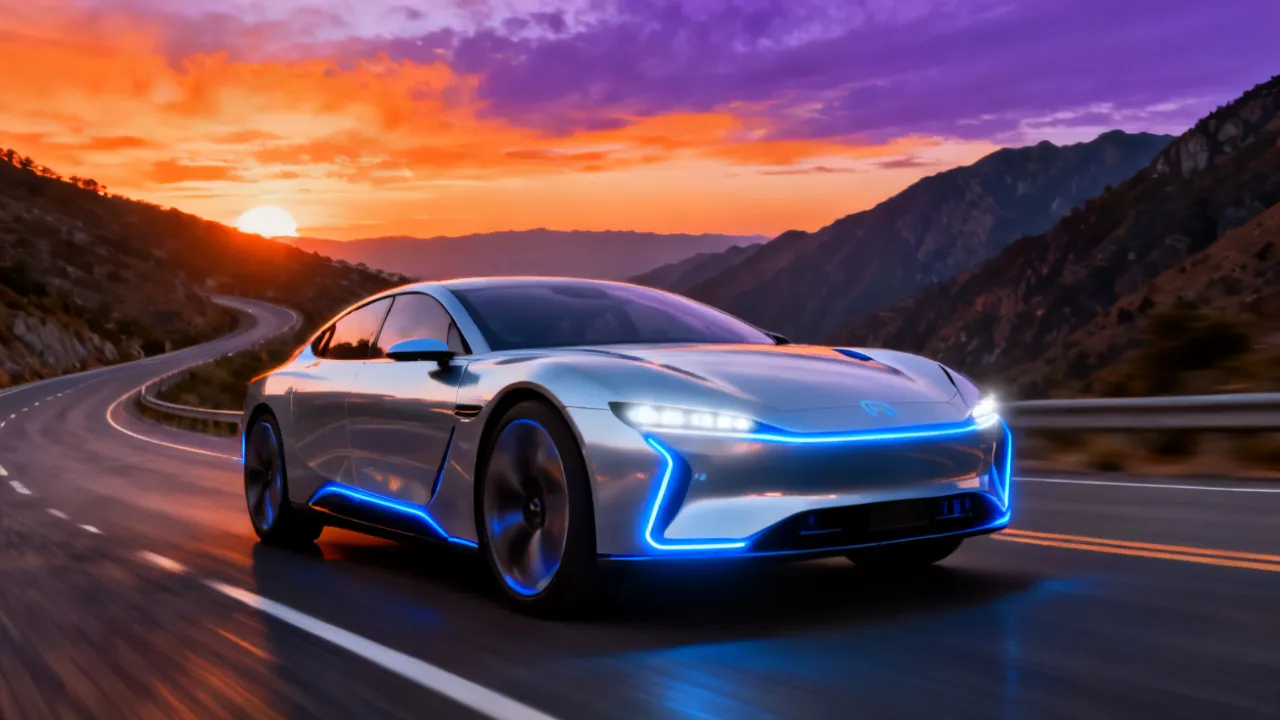
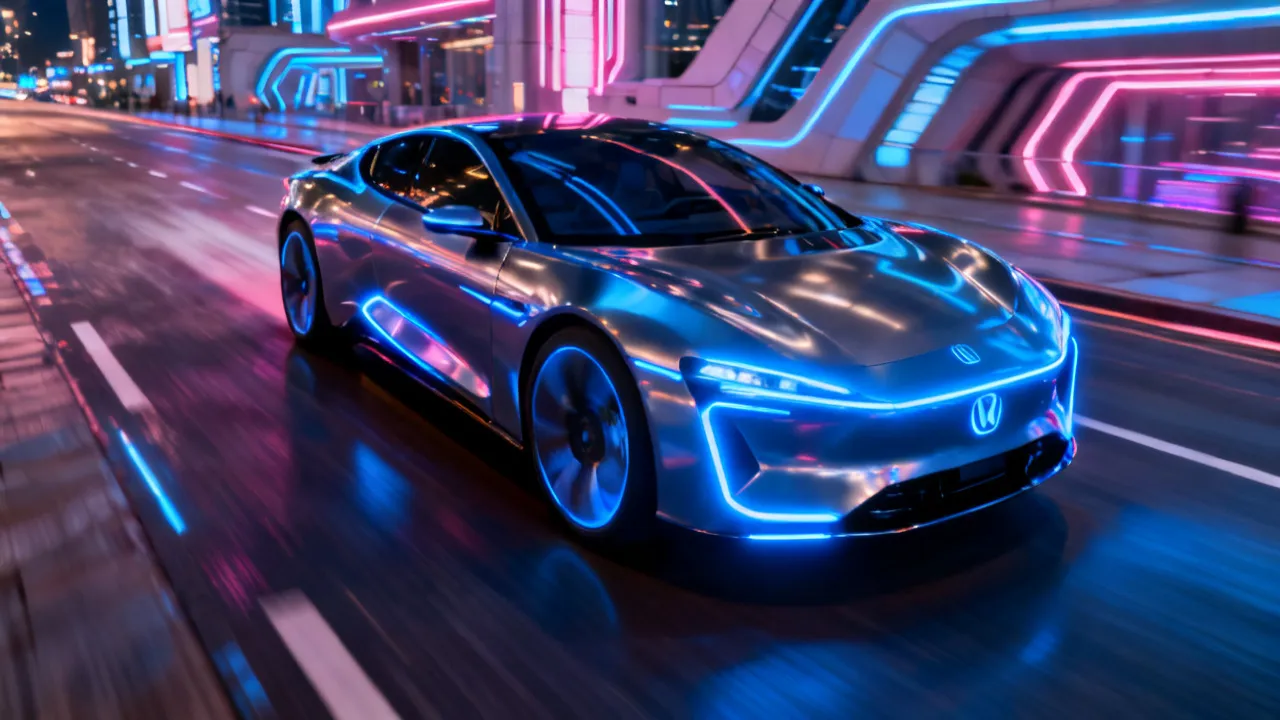
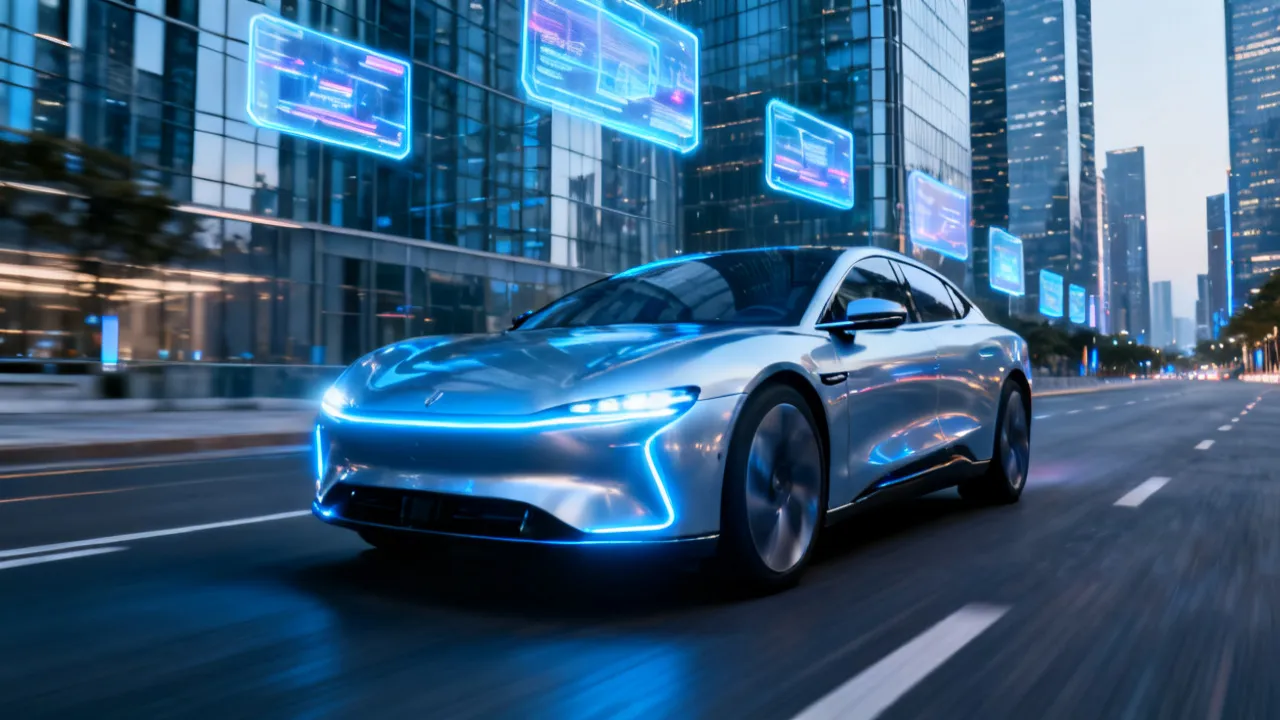
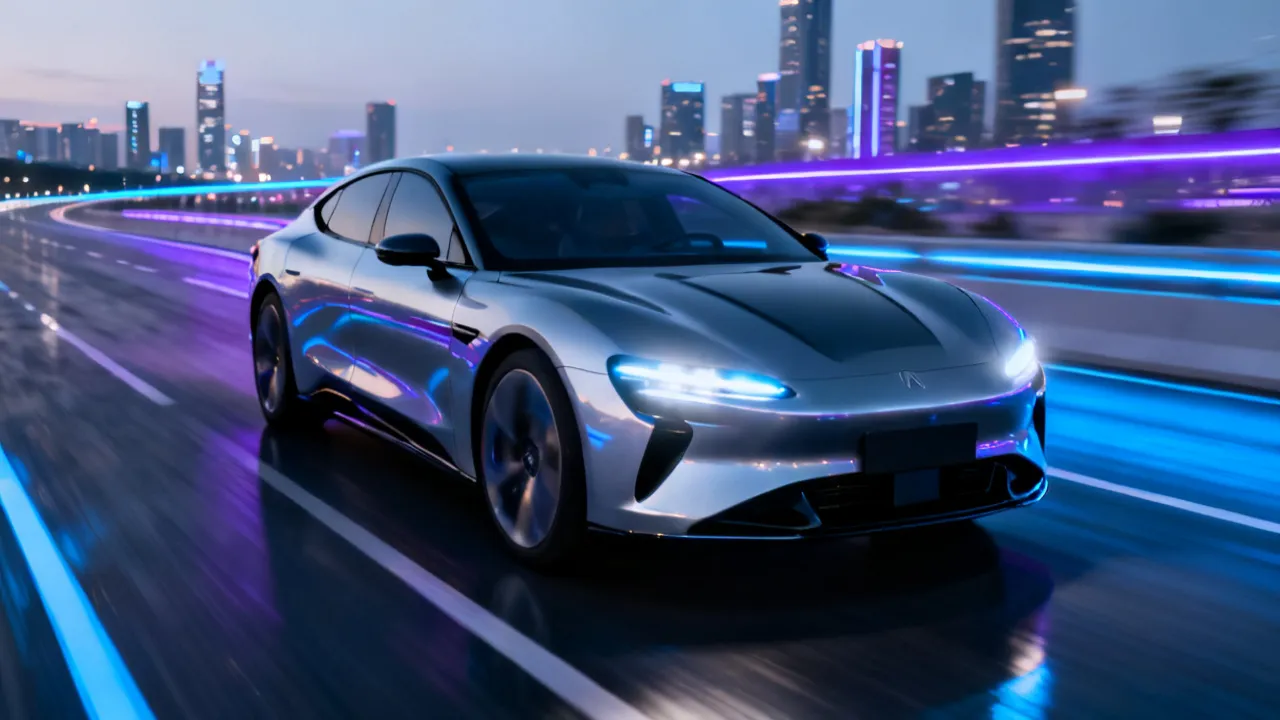
Electric automobiles are becoming increasingly integral to the automotive industry, representing a shift towards more sustainable transportation solutions. These vehicles, powered by electric motors instead of internal combustion engines, offer numerous advantages such as reduced emissions and lower operating costs. This comprehensive guide explores the various aspects of electric automobiles, including their technology, market trends, and future outlook.
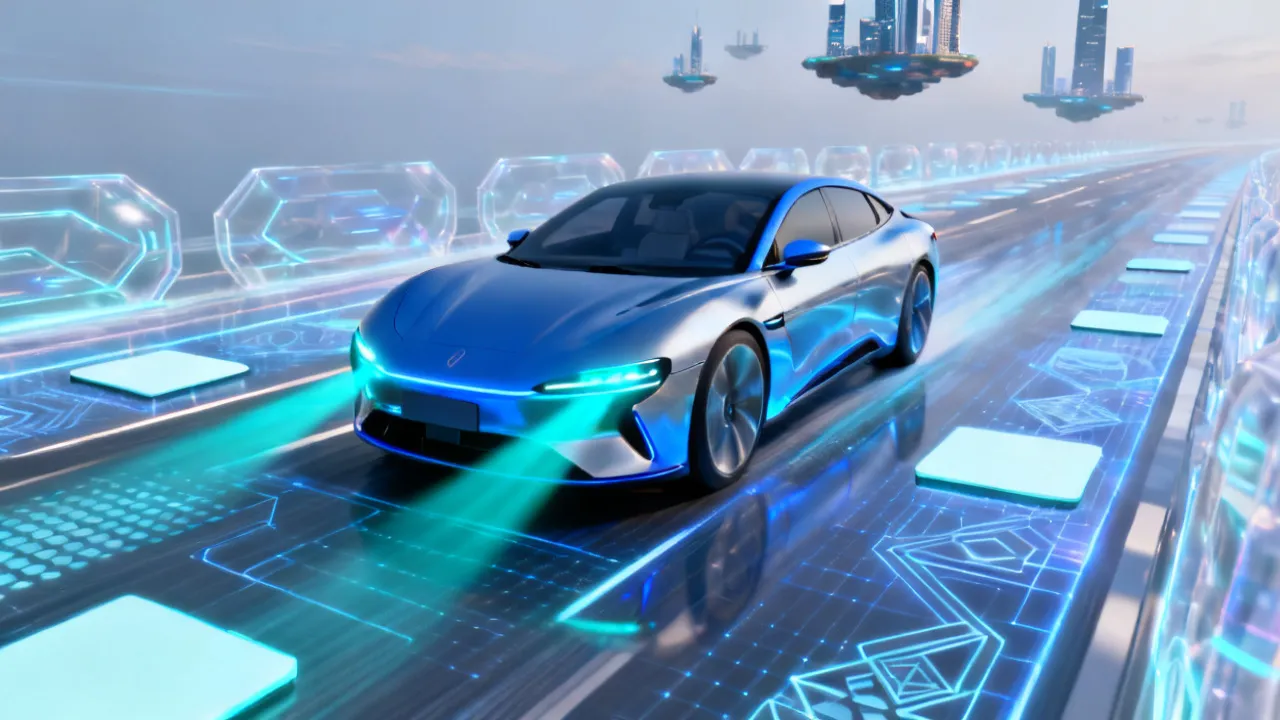
The Evolution of Electric Automobiles
Electric automobiles are carving out a significant place in the global automotive industry, symbolizing a transformative shift towards more environmentally friendly transportation solutions. Unlike conventional vehicles that rely on fossil fuels, electric automobiles utilize electric motors powered by rechargeable batteries, making them a cleaner and more efficient option. This evolution is influenced by advances in battery technology, increased consumer environmental awareness, and supportive government policies aimed to reduce carbon footprints.
The journey of electric vehicles (EVs) isn't new; it stretches back to the early 19th century. In fact, the first electric vehicle is credited to Robert Anderson, who built a crude electric carriage in the 1830s. Throughout the following decades, various inventors contributed to the development of electric transportation, but it wasn't until the late 20th century that the modern electric car began to take shape. This was fueled by the 1973 oil crisis, which sparked interest in alternative energy sources and led to the production of electric cars, albeit limited in number and range.
In recent years, the paradigm has shifted significantly. The electric vehicle market has exploded, with many once-niche manufacturers entering or expanding their presence in a quickly maturing sector. The convergence of social, technological, and regulatory factors has created a fertile ground for electric vehicles, prompting consumers and manufacturers to reevaluate their commitment to emission-heavy engines.
Core Technology of Electric Automobiles
At the heart of electric automobiles is a sophisticated system composed of an electric motor, a high-capacity lithium-ion battery, a regenerative braking system, and other electronics that intelligently manage the vehicle’s energy consumption. These components work in tandem to offer an efficient and seamless driving experience.
The electric motor is fundamentally different from the internal combustion engine, offering fast torque and smoother acceleration profiles. Electric motors are characterized by their ability to generate maximum torque immediately, which translates to better performance and responsiveness. This instantaneous power supply is advantageous not only in terms of speed but also enhances handling, making electric vehicles quite exhilarating to drive.
Meanwhile, advances in battery technology are pushing the boundaries of driving range and reducing charging times, thereby making electric automobiles more practical for everyday use. The development of lithium iron phosphate (LiFePO4) batteries and just-in-time manufacturing processes has transformed how these cars are built and function. Manufacturers are aggressively investing in energy density improvements, with subsequent generations of batteries expected to surpass the current mileage limitations and charging efficiency, which could further facilitate long-distance travel in electric vehicles.
Moreover, the regenerative braking system presents a unique feature of electric vehicles. By converting kinetic energy back into stored energy for later use, electric vehicles extend their range and improve overall energy efficiency. This technology not only provides longer journeys but also reduces wear on the braking system, contributing to lower maintenance costs over the vehicle's lifecycle.
Market Trends in Electric Automobiles
The electric automobile market is witnessing rapid growth, driven by a combination of technological advancements, increasing environmental regulations, and shifting consumer preferences. Automakers across the globe are expanding their electric vehicle portfolios, with some traditional brands pledging a full transition to electric models by the next decade.
In addition, significant price reductions in electric vehicles are expected due to economies of scale and technological innovations that reduce manufacturing costs. The average price of electric vehicles has steadily declined over the years, making them increasingly competitive with traditional vehicles. Several automakers are also responding to consumer demand for affordable electric options, which has led to a proliferation of entry-level models.
Governments in many regions are also providing incentives such as tax breaks, subsidies, and reduced registration fees to encourage the adoption of electric automobiles. In the European Union, for example, various countries have set ambitious targets for banning the sale of new petrol and diesel cars within the next two decades. Additionally, many large cities are implementing low-emission zones, incentivizing consumers to opt for electric vehicles to avoid hefty fees associated with traditional combustion-engine vehicles.
The shift towards electric vehicles is not just a trend confined to individual consumers; commercial fleets are also experiencing transformation. Many delivery services and logistics companies are adopting electric vans and trucks to reduce operational costs while complying with increasingly stringent environmental laws. The rise of electric ride-sharing platforms is adding another dimension as cities adapt their infrastructure to accommodate both electric public transport and private enterprise.
Comparing Electric Automobiles: A Quick Guide
| Aspect | Electric Automobiles |
|---|---|
| Power Source | Electric Motor and Battery |
| Emissions | Zero tailpipe emissions |
| Maintenance | Lower maintenance due to fewer moving parts |
| Performance | Fast torque, quieter operation |
| Fuel Cost | Lower due to electricity being cheaper than gas |
| Driving Experience | Instant power delivery, smooth acceleration |
| Long-term Environmental Impact | Reduced greenhouse gas emissions with sustainable energy sources |
| Range | Significant progress, with some models exceeding 300 miles |
Challenges Facing Electric Automobiles
Despite their advantages, electric automobiles still face certain challenges. The initial purchase price remains higher compared to conventional vehicles, although this is expected to decrease as technology advances and production scales up. The upfront costs often deter potential buyers, particularly in regions where incentives are limited or absent. However, prospective owners must consider the total cost of ownership, including fuel savings and lower maintenance costs, which can offset the initial investment over time.
Additionally, the infrastructure for charging stations needs extensive expansion and improvement to support broader adoption. Range anxiety— the concern that a vehicle has insufficient charge to reach its destination—remains a significant barrier for many potential buyers. While the number of charging stations is growing, accessibility varies widely by region. Urban areas tend to have more charging facilities, while rural areas often lag far behind. The integration of charging stations into existing fuel infrastructure and the deployment of fast-charging networks are crucial to addressing these concerns.
The manufacturing of batteries, while progressing, also presents challenges related to the sourcing of raw materials like cobalt and lithium. These materials are often extracted under conditions that raise ethical concerns, leading to calls for more sustainable practices within the industry. Recycling electric vehicle batteries is another area where innovations are being sought to create a circular economy within the industry. As battery technology advances, developing effective recycling methods will ensure that the lifecycle of valuable materials can be extended and reused.
Moreover, as electric automobiles become more prevalent, their impact on electricity demand and the strain on power grids cannot be overlooked. There are growing discussions about how to efficiently manage electricity consumption, particularly during peak hours when many EV owners are charging their vehicles. Solutions such as smart grid technology and vehicle-to-grid systems promise to integrate electric vehicle charging into broader energy strategies effectively.
The Future of Electric Automobiles
Looking ahead, the future of electric automobiles appears bright, driven by continuous technological innovations and stronger commitments from both manufacturers and governments to mitigate environmental impacts. The automotive industry is collectively advancing towards a more sustainable future, with electric vehicles poised to dominate urban and suburban landscapes worldwide.
Innovations such as vehicle-to-grid technology, wireless charging, and solid-state batteries are on the horizon, which may further enhance the appeal and practicality of electric automobiles. Vehicle-to-grid technology allows electric vehicles to return stored energy back to the grid during peak demand, highlighting the potential for EVs to become an integral part of energy management strategies. Wireless charging, requiring no physical connection, offers a convenient alternative to plugging in—this could make charging as simple as parking your vehicle in a designated area.
Solid-state batteries, regarded as the next generation of battery technology, promise to deliver higher energy density, faster charging times, and improved safety over traditional lithium-ion batteries. The future research directions are highly focused on achieving better thermal stability and extending the lifespan of batteries, further boosting the practicality of electric vehicles.
As these advancements unfold, the conversation about electric transportation will likely shift from "if" to "how fast." With greater electric vehicle adoption anticipated, other facets of the automotive ecosystem, including car-sharing services and autonomous driving technologies, are expected to evolve simultaneously, reshaping urban mobility altogether.
FAQs on Electric Automobiles
- What are the primary benefits of electric automobiles?
Electric automobiles offer significant environmental benefits, reduced operating costs, and a smoother driving experience due to fast torque and fewer moving parts. Additionally, they contribute to air quality improvements, particularly in urban areas plagued by pollution.
- How long does it take to charge an electric automobile?
Charging times depend on the battery capacity and the charging station's power level. Charging can range from 30 minutes to 12 hours, with fast chargers offering a much quicker turnaround. Most electric vehicle owners charge at home overnight, ensuring their car is ready to go in the morning.
- Are electric automobiles more expensive than gasoline vehicles?
While electric vehicles can have a higher sticker price upfront, lower operational costs and government incentives often make them financially competitive over the long term. As battery production increases and technology improves, prices are expected to become more favorable.
- Is the charging infrastructure widely available?
The infrastructure for electric vehicle charging is expanding rapidly, with increasing investments to support a network of fast chargers across urban and rural areas. However, availability varies by location, with urban areas generally offering more options than rural regions.
- What happens to electric vehicles after they've reached the end of their life?
When electric vehicles reach the end of their useful life, components can be recycled or repurposed. The batteries, in particular, can be refurbished for secondary applications, such as energy storage solutions, if they still retain sufficient charge capacity. Research and development efforts are ongoing to create effective recycling processes that reduce waste and recover valuable materials from old batteries.
In conclusion, electric automobiles represent a revolutionary shift in the automotive industry, offering a glimpse into a less pollutive and more sustainable transportation future. Their ongoing development and adoption are crucial to addressing environmental challenges and meeting the mobility needs of the modern world. Public and private entities can collaborate to overcome existing barriers by promoting education, enhancing infrastructure, and fostering innovation to ensure that electric vehicles do not just remain a niche market but instead become a mainstream solution for sustainable transport.