Revolutionizing Transport with Electric Automobiles
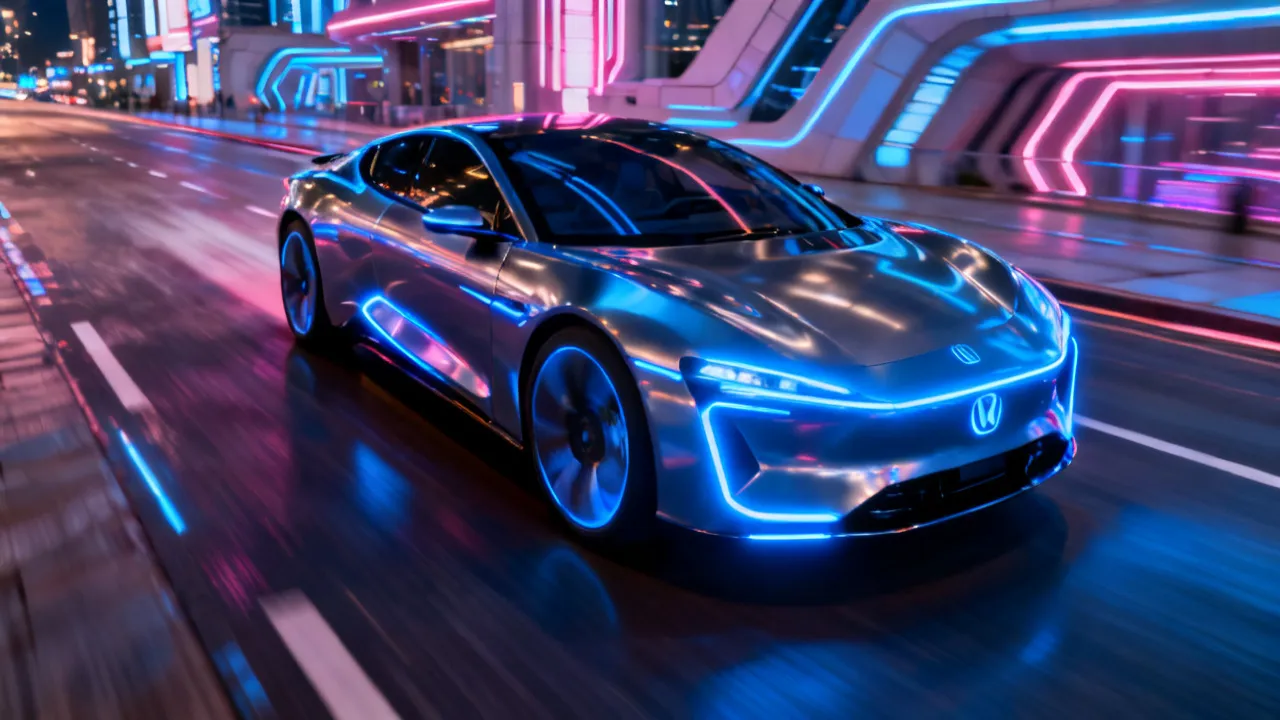
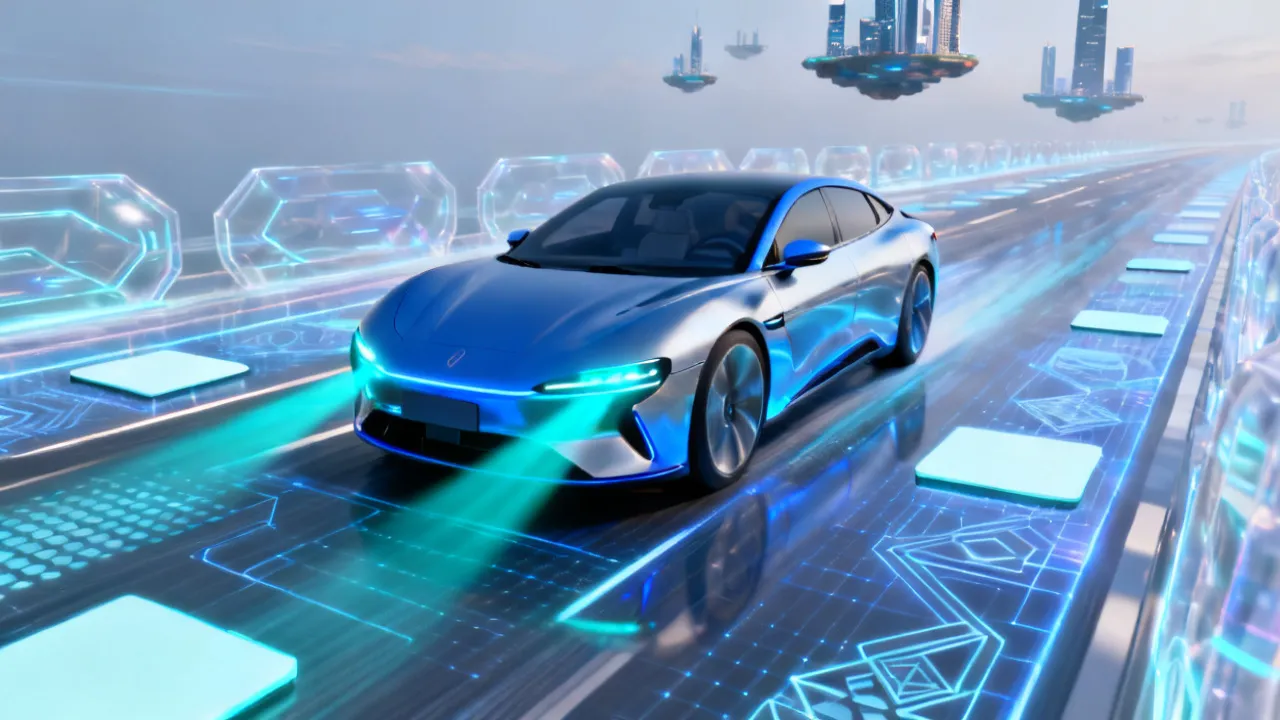
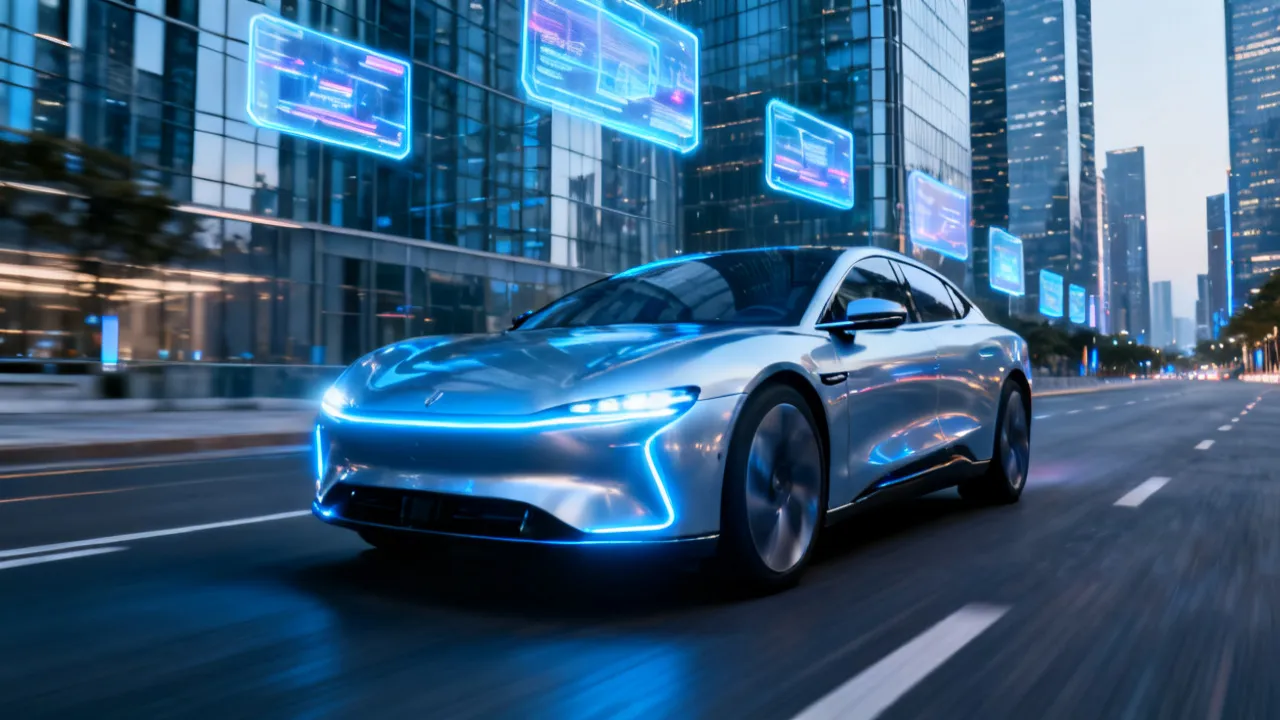
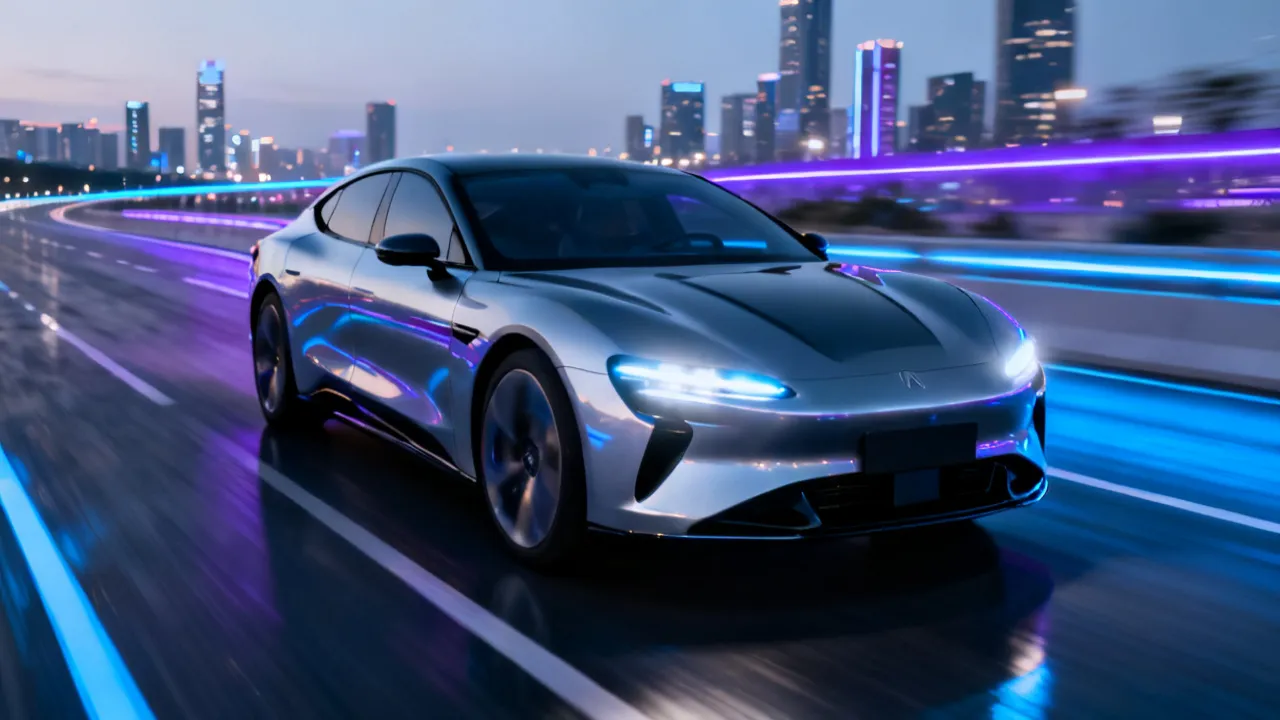
Electric automobiles are at the forefront of a transformative shift in transportation as they redefine efficiency and sustainability standards. Driven by the need to reduce emissions and embrace renewable energy, electric vehicles (EVs) have rapidly evolved, offering consumers an eco-friendly alternative to traditional gasoline-powered cars. This comprehensive guide explores the key features, benefits, and industry insights related to electric automobiles.
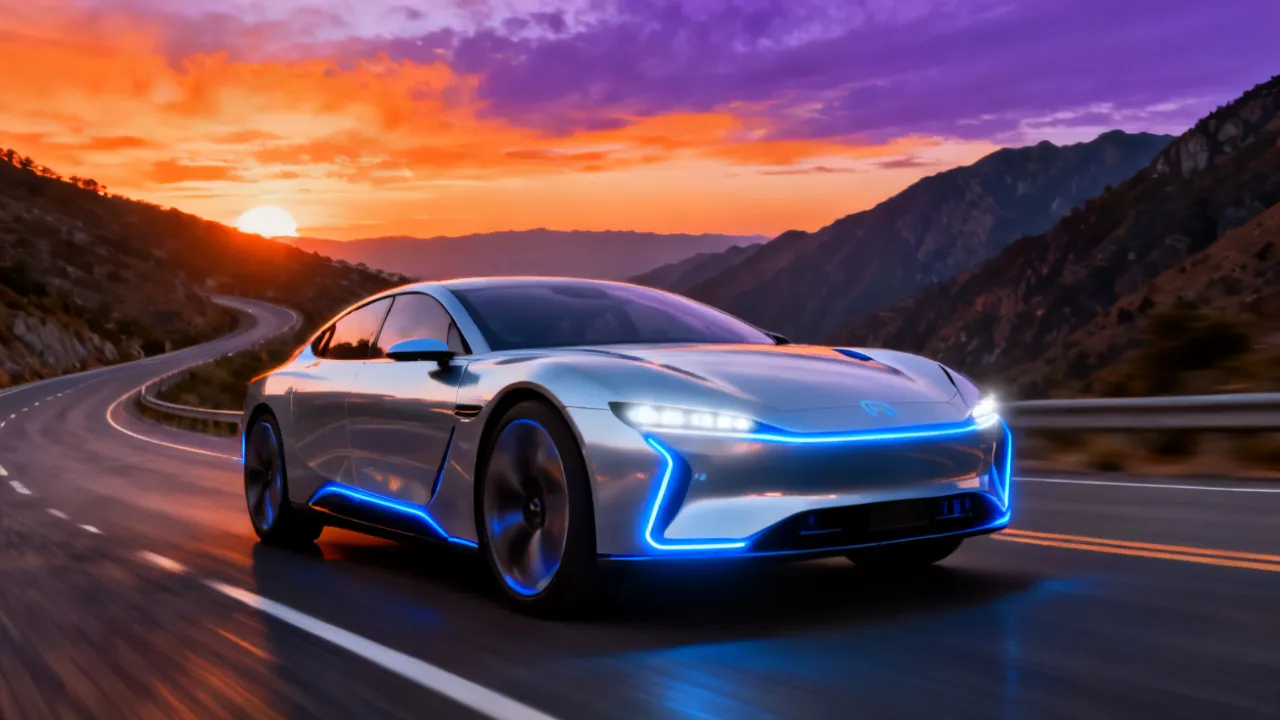
The Emergence of Electric Automobiles
Electric automobiles, commonly known as Electric Vehicles (EVs), have ushered in a revolutionary era in the automotive industry. As concerns about climate change and fossil fuel dependency escalate, EVs are increasingly seen as viable solutions due to their zero-emission design and reliance on renewable energy sources. The growing demand for sustainable transportation is reflected in the market's rapid expansion, with consumers and manufacturers alike embracing the potential of electric power. The transition to electric mobility is not merely a trend; it is a response to the urgent need for reducing greenhouse gas emissions and establishing a more sustainable energy framework. The market's adoption of EV technology marks a pivotal point in reshaping personal and public transportation dynamics.
The Electric Automobile: A Technological Marvel
At the core of electric automobiles lies cutting-edge technology that distinguishes them from conventional vehicles. Unlike internal combustion engines that run on gasoline, EVs utilize electric motors powered by rechargeable battery packs. This technology results in not only lower emissions but also increased energy efficiency. EV models such as the Tesla Model S, Nissan Leaf, and Chevrolet Bolt have become household names, setting the standard for technological innovation in the automotive industry. Moreover, the evolution of battery technology, including advancements in lithium-ion and solid-state batteries, enhances vehicle performance, extends driving ranges, and shortens charging times. These technological innovations lay the groundwork for further developments, pushing the boundaries of what electric vehicles can achieve.
Benefits of Electric Automobiles
The shift toward electric automobiles offers numerous advantages that extend beyond just individual drivers:
- Environmental Sustainability: Electric cars produce zero tailpipe emissions, significantly reducing air pollution and contributing to cleaner urban environments. This reduction in emissions is critical in combating climate change and improving public health, as studies show that areas with high vehicular emissions often experience higher rates of respiratory issues and other health-related problems.
- Lower Operating Costs: Electricity is generally cheaper than gasoline, and EVs usually require less maintenance due to fewer moving parts. For instance, electric motors have fewer components than internal combustion engines, leading to lower long-term maintenance bills and service intervals.
- Incentives and Rebates: Many governments offer financial incentives to encourage the adoption of EVs, including tax breaks and rebates. This financial support not only cushions the initial cost but also highlights the commitment of national and local governments toward sustainable transportation initiatives.
- Performance and Enjoyment: Electric vehicles offer a unique driving experience, characterized by a quieter ride and instant torque delivery. This results in quicker acceleration and a responsive driving feel, which many drivers find enjoyable. Many EVs also feature advanced technologies and infotainment systems, enhancing overall driving convenience and satisfaction.
- Grid Stability and Energy Independence: Widespread adoption of EVs can also play a vital role in stabilizing the electric grid. By using car batteries to store excess energy during off-peak hours, electric vehicles can support renewable energy sources. This not only promotes energy independence but also facilitates a shift toward more decentralized power systems.
Understanding the Charging Infrastructure
The effectiveness of electric automobiles largely depends on the availability and efficiency of charging stations. Currently, charging infrastructure is expanding rapidly, with public and private investments propelling the development of faster, more accessible charging options. Various electric car manufacturers are integrating networks of home and public chargers to alleviate potential concerns for consumers worried about range anxiety. This network includes:
- Home Charging Stations: Many EV owners choose to install charging stations in their garages, allowing them to charge their vehicles overnight conveniently. This home supply often utilizes standard electrical services, enabling gradual charging at a lower cost.
- Public Charging Networks: Numerous companies, such as ChargePoint, EVgo, and Electrify America, are expanding charging networks across cities and highways, ensuring that drivers can find a charging station nearby. Moreover, some of these stations offer fast charging capabilities that can provide significant range recovery in just a short amount of time.
- Workplace Charging: Several companies encourage their employees to drive EVs by providing charging stations at their workplaces. This not only fosters the sustainable ambitions of the organizations but also makes it easier for employees to transition to electric transportation.
- Destination Charging: Locations such as shopping malls, hotels, and parking garages are increasingly installing EV charging stations to cater to customers. This development allows drivers to charge their vehicles while they conduct their daily activities, reducing the need for special trips to a dedicated charging station.
Cost and Market Dynamics
Electric vehicles, like any advanced technology, come with initial costs that can be higher than their gasoline counterparts. However, market dynamics are shifting as battery costs decrease, manufacturing efficiency improves, and economies of scale are realized. According to industry reports, battery prices have dropped significantly over the last decade due to advances in technology and higher production volumes. Analysts project a steady decline in electric vehicle prices, making them increasingly competitive in the automotive market. As a result, more suppliers are investing heavily in EV production, sensing an inevitable shift in consumer preferences. Manufacturers are exploring various strategies, including:
- Strategic Partnerships: Automakers are forming partnerships with technology firms to share knowledge and resources, facilitating the acceleration of EV technology development. These collaborations have produced advancements not only in battery technology but also in software, autonomous driving systems, and vehicle connectivity.
- Diverse Product Offerings: As consumer preferences shift, manufacturers are developing a wider range of electric vehicle models, including sedans, SUVs, and even trucks. This diversification caters to various price points and consumer needs, broadening the appeal of electric vehicles.
- Investments in Battery Technology: Major automotive manufacturers are investing heavily in next-generation battery technologies, including solid-state batteries that promise higher energy densities and faster charging times. This ongoing innovation can create a significant competitive edge in the electric vehicle sector.
| Aspect | EVs | Conventional Vehicles |
|---|---|---|
| Operating Costs | Lower (electricity costs less, minimal maintenance) | Higher (gasoline and maintenance expenses) |
| Emission Levels | Zero tailpipe emissions | Significant CO2 emissions |
| Government Support | Various incentives and rebates available | Limited support |
| Performance | Instant torque, quieter operation | Depends on engine type, more noise due to mechanical parts |
| Charging Time | Varies by charger type, can be fast (30 min) or slow | Refueling takes minutes at gas stations |
Industry Insights and Future Prospects
Industry experts anticipate a significant shift toward electric automobiles in the coming decades. Several factors contribute to this outlook, including:
- Government Regulations: Many countries have announced plans to phase out gasoline-powered vehicles, influencing manufacturers to pivot toward electric solutions. From the European Union aiming for carbon neutrality to specific state regulations like in California, legislative changes are driving investment and innovation in the EV sector.
- Corporate Responsibility: Many companies are actively pursuing sustainability goals and reducing their carbon footprints. The automotive industry is recognizing its responsibility to contribute positively toward environmental targets and enhance sustainability throughout supply chains.
- Consumer Awareness and Demand: With growing awareness about the repercussions of climate change, consumers are eager for more sustainable options. This demand is leading manufacturers to prioritize EV development, aligning products with environmental values.
FAQs
- What is the average range of an electric vehicle?
Very modern electric vehicles have a range of approximately 200 to 300 miles on a full charge, depending on the model and battery capacity. High-end models like the Tesla Model S can achieve over 400 miles on a single charge, showcasing advances in battery technology. - How long does it take to charge an electric car?
Charging times can vary greatly depending on the charger type. A standard home outlet (Level 1) can take several hours to overnight, while fast chargers (Level 3) can replenish 80% of the battery in about 30 minutes. Many newer charging stations offer ultra-fast charging options, reducing wait times significantly. - Are electric vehicles reliable in extreme weather conditions?
While EVs are generally reliable, extreme cold weather can temporarily reduce battery efficiency. However, advancements in battery technology are addressing this issue, with manufacturers developing special thermal management systems to optimize battery performance under varying temperatures. Moreover, many electric vehicles come equipped with features to mitigate the effects of weather conditions on driving performance. - Can electric cars be charged at home?
Yes, most electric vehicles can be charged at home using a standard electrical outlet or a dedicated home charging station. Installing a Level 2 charging station can significantly speed up charging times, making it convenient for daily use. - What happens if my electric vehicle runs out of battery?
If an electric vehicle depletes its battery, it will not operate until recharged. However, many EVs feature range management systems that alert drivers when battery levels are low, allowing for timely recharging. In the event of a complete battery depletion, roadside assistance can tow the vehicle to the nearest charging station.
Conclusion
Electric automobiles represent a monumental shift towards more sustainable and efficient transportation systems. The advancements in technology, coupled with increasing public awareness and supportive government policies, reinforce the viability of electric vehicles as a predominant choice for future mobility. As technology advances and market dynamics evolve, the appeal of electric vehicles will likely continue to grow, setting the stage for a cleaner and greener future. Stakeholders must work collaboratively to tackle existing barriers and pave the way for widespread adoption of electric mobility. This multifaceted approach will ensure that the entire ecosystem surrounding EVs, from charging infrastructure to consumer education, is equipped to support this transition, ultimately leading to a more sustainable and responsible transportation paradigm. Furthermore, as research and innovation continue to unfold within this industry, the next generation of electric vehicles will likely surpass our current expectations, integrating seamlessly into our daily lives and contributing positively to the planet's health.