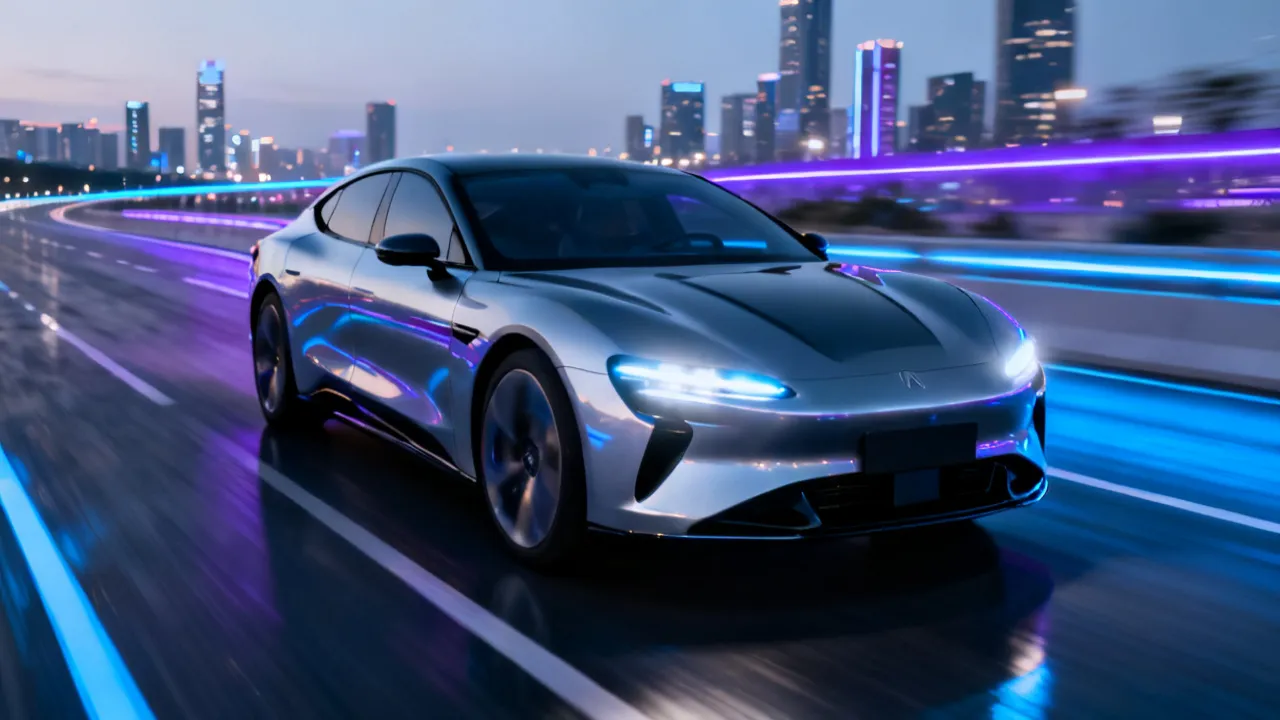
Exploring the Future of Electric Automobiles
Electric automobiles represent a pivotal shift in the automotive industry, driven by the need for sustainable and efficient transportation solutions. These vehicles are powered by electricity, offering a clean, innovative alternative to traditional combustion engines. As electric cars become increasingly mainstream, they promise to revolutionize personal and public transport, contributing significantly to reduced emissions and a greener future.
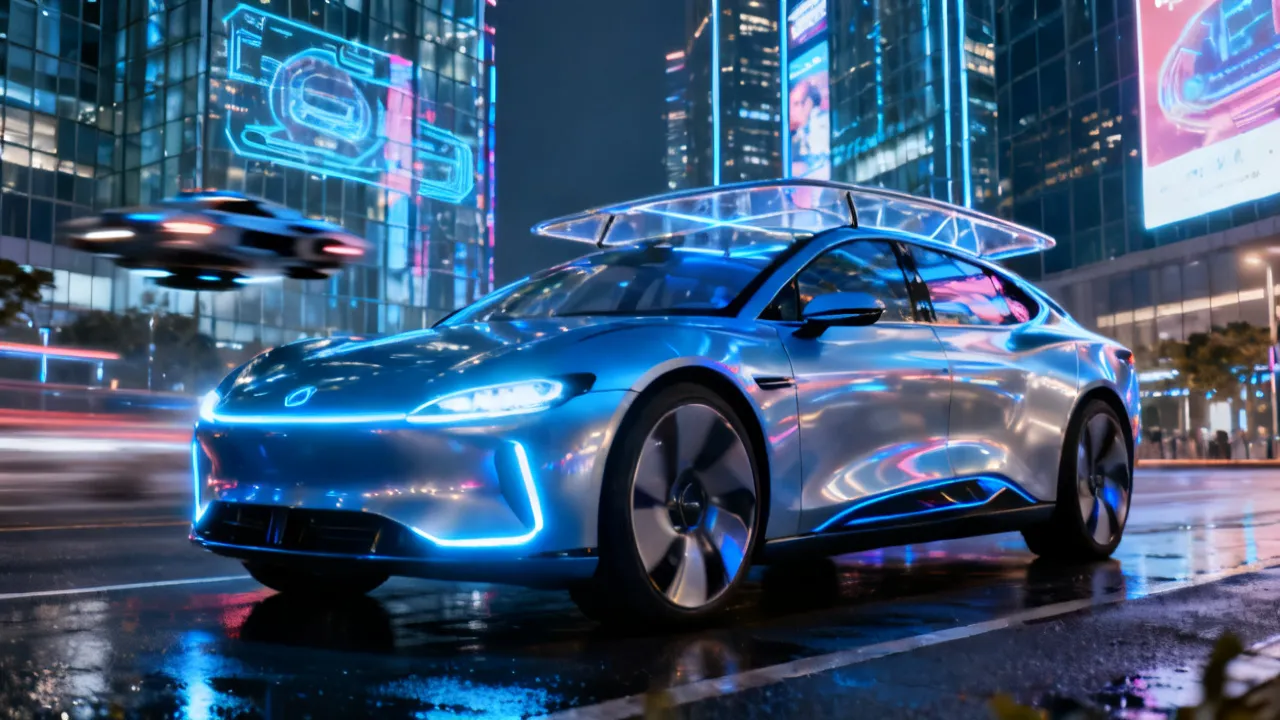
The Rise of Electric Automobiles
As the world shifts towards sustainable energy sources, electric automobiles have emerged as a leading solution in reducing carbon emissions and mitigating climate change. These vehicles are redefining transportation by eliminating the reliance on fossil fuels and introducing a quieter, more efficient way to drive. With increasing concerns over environmental degradation, electric vehicles (EVs) have captured the imagination of consumers, policymakers, and businesses alike.
Their rise is not merely a trend but part of a broader movement toward sustainability and eco-friendliness. Governments worldwide are implementing more stringent emission regulations, while the advent of smart technologies in energy generation and storage is ensuring that electric vehicles can be integrated seamlessly into daily life. As fossil fuels dwindle and the urgency for clean energy rises, the context of automotive transportation evolves—paving the way for electric vehicles to become the mainstream option.
Technological Advancements Driving Electric Vehicles
Electric automobiles are equipped with advanced technologies, including lithium-ion batteries that allow for longer ranges and faster charging times and innovations in regenerative braking systems that help to optimize energy use. These advancements are critical in overcoming the barriers that have historically limited EV adoption. Companies like Tesla, Nissan, and Chevrolet are at the forefront, investing heavily in research and development to improve battery efficiency, sustainability, and performance.
At the heart of electric vehicle technology is the battery. Innovations such as solid-state batteries promise greater safety, shorter charging times, and a higher energy density compared to traditional lithium-ion batteries. These advancements decrease vehicle weight and enhance travel range, potentially changing the landscape of electric automotive technology dramatically. Furthermore, the introduction of battery recycling innovations is set to mitigate waste associated with battery disposal, making electric vehicles even more environmentally friendly.
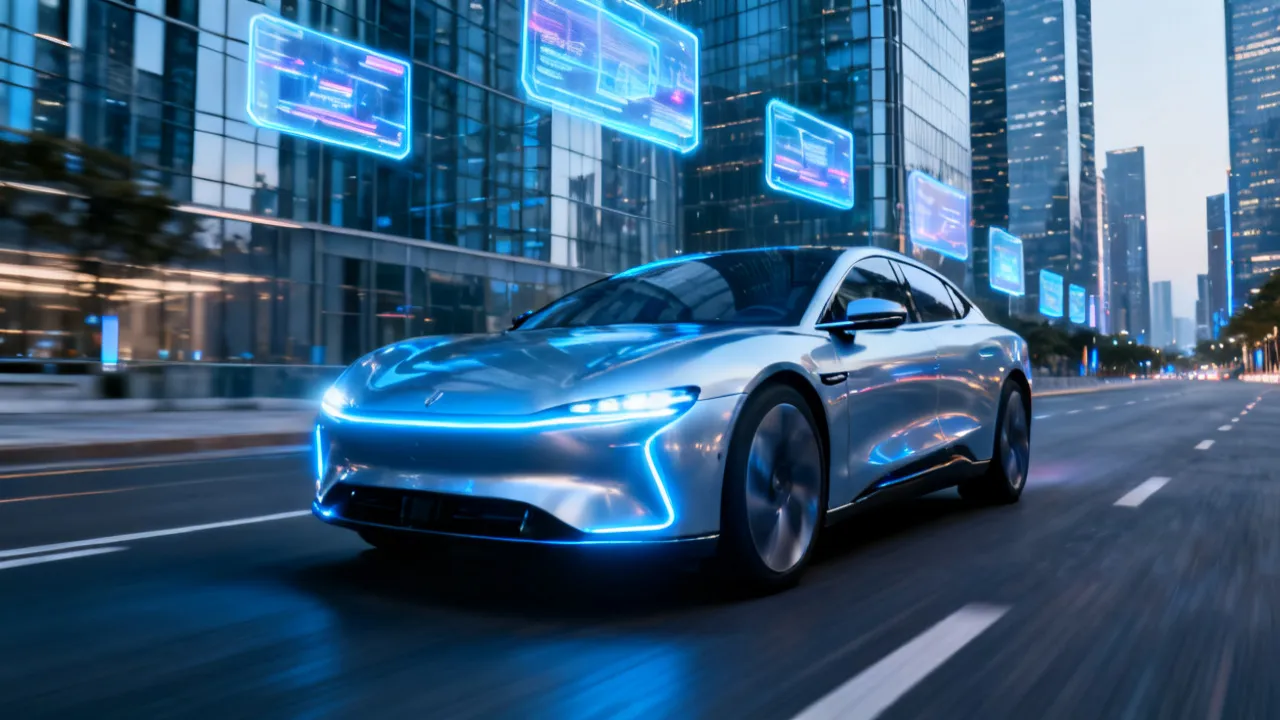
Smart technology and connectivity have also transformed electric vehicles. Most modern EVs come equipped with integrated data systems that not only monitor the health of the car but also adapt driving patterns for optimal battery consumption. These technologies are paired with software updates that can considerably improve features or performance post-purchase, thus enhancing user experience.
Benefits of Switching to Electric Automobiles
Cutting emissions is the very immediate advantage of electric vehicles (EVs), as they produce zero tailpipe pollution, which significantly improves air quality. This feature is especially pertinent in urban areas where air pollution is a growing concern for public health. By switching to electric vehicles, cities can significantly reduce the volume of harmful emissions that contribute to health complaints and environmental issues.
Additionally, electric vehicles offer a lower cost of ownership thanks to reduced fuel costs and maintenance expenses. The simplicity of an electric motor compared to a complex internal combustion engine translates into fewer moving parts, leading to lower maintenance requirements over the vehicle's lifespan. Also, as renewable energy sources like wind and solar become increasingly prevalent, the cost of charging EVs can continue to decline, making them a more economically viable option.
The silent operation of electric motors contributes to noise pollution reduction in urban areas, creating a quieter, more pleasant environment. This aspect of electric vehicles enhances the quality of life in cities by reducing noise-related stress and facilitating a better atmosphere for residential and commercial areas.
Furthermore, owning an electric vehicle can also provide a sense of contributing to sustainability and environmental preservation. As consciousness of climate change and ecological impact grows, many consumers want their choices to reflect their values, fostering a market for products that prioritize sustainability.
Challenges and Considerations in Adoption
Despite the promising advantages, electric automobiles face challenges such as the availability of charging infrastructure, battery production impacts, and initial purchase costs. Consumers need more accessible charging stations to drive widespread adoption, which necessitates significant investment from both public and private sectors. Studies indicate that range anxiety is one of the most significant hurdles potential EV buyers face due to the fear of running out of battery before reaching their destination. A robust charging network must be developed to alleviate these concerns and foster the growth of electric vehicle markets.
In many regions, charging infrastructure is either insufficient or unevenly distributed, making it difficult for consumers in rural areas to adopt electric vehicles confidently. Addressing this lack of fast-charging stations, especially along major highways and in remote areas, is essential for easing the transition to electric vehicles. Governments and private enterprises are collaborating to create charging networks; however, a cohesive strategy is needed to ensure installations are efficient and user-friendly.
Additionally, the production of batteries involves significant environmental concerns due to mining activities for lithium, cobalt, and nickel, which raise ethical and ecological questions. Responsible sourcing and recycling of materials are necessary to mitigate these effects while ensuring the sustainability of electric vehicles.
Initial purchase costs also remain a barrier to wider adoption. Although prices are decreasing and incentives are becoming more readily available, many consumers still perceive electric vehicles as financially unattainable. Public initiatives aimed at reducing these upfront costs through rebates, incentives, or financing options are essential to bridge this gap.
Global Market Trends and Consumer Perception
The global market for electric vehicles is experiencing exponential growth. According to recent market research, the number of electric cars sold worldwide has surged, with 2021 recording more than 6 million units sold. Europe and China lead in adoption rates due to stringent emissions regulations and governmental support. In particular, China's vast consumer base and strong industrial policies have made it a dominant player in the electric vehicle market. Chinese automakers produce a significant share of the world's electric vehicles and batteries, making the country a significant contributor to the global EV landscape.
In contrast, the US market shows a growing interest, accelerated by improved electric vehicle infrastructure and competitive pricing. Traditional automakers such as Ford and General Motors are ramping up their EV production, aiming to capture a share of the growing market. Consumer perceptions of electric vehicles are becoming increasingly positive as technological advancements curtail earlier concerns regarding reliability, longevity, and charging inconveniences.
Surveys reveal that while there is a broad acceptance of electric vehicles among younger consumers, older generations may still require more education regarding the benefits and advancements in technology before making the transition. Additionally, increasing availability and marketing strategies emphasize that electric cars are becoming more than just environmentally friendly— they are now seen as high-tech, appealing vehicles that offer a unique driving experience.
Social media platforms are playing a crucial role in this shift, with influencers and online communities focusing on sustainability encouraging the purchase and lifestyle changes that involve electric vehicles. As electric vehicles gain popularity, the perception that they are a niche commodity is gradually dissipating, lending to the idea that they are an essential component of the future of transportation.
| Feature | Description |
|---|---|
| Battery Technology | Lithium-ion batteries for longer ranges and durability, with emerging solid-state technology paving the way for better performance. |
| Charging Infrastructure | Increase in fast-charging stations and home charging solutions being developed for convenience. |
| Cost Efficiency | Lower total cost of ownership due to reduced fuel and maintenance expenses, making EVs an economically sound choice in the long run. |
| Environmental Impact | Zero tailpipe emissions contributing to cleaner air quality, alongside innovations in battery recycling methods to ensure responsible disposal. |
| Consumer Appeal | Electric vehicles are increasingly stylish and technologically advanced, becoming attractive to a broad range of buyers. |
Future Outlook of Electric Automobiles
The future of electric automobiles is promising, with automakers committing to electrification by expanding EV lineups and investing in newer technologies. The global consensus is increasingly leaning towards the electrification of transportation as part of broader initiatives to combat climate change. Governments across the globe are setting ambitious targets for transitioning to electric fleets, thereby driving innovation and competition in the industry.
Automakers have announced plans to phase out gasoline-powered vehicles gradually, with many projecting that their fleets will consist solely of electric vehicles within a few decades. Furthermore, established automotive powerhouses are investing in developing new electric vehicles designed for specific needs—ranging from compact city cars to electric trucks designed for long-haul deliveries. This diversification allows the electric vehicle market to cater to a broad spectrum of consumers with varying preferences and driving needs.
As battery technology advances, the costs associated with electric vehicle production and ownership are expected to decrease. Research indicates that a major breakthrough in battery technology could redefine the landscape, leading to even longer ranges and significantly lower prices for consumers. As production scales and processes improve, the goal of making electric vehicles a viable option for the average consumer becomes increasingly attainable.
Integration with renewable energy sources is another vital aspect of the future of electric automobiles. As more consumers adopt EVs, the synergy between these vehicles and renewable energy—such as solar and wind—will become paramount. Homeowners equipped with solar panels could theoretically charge their electric vehicles for free, maximizing the cost savings associated with EV adoption while promoting a greener lifestyle.
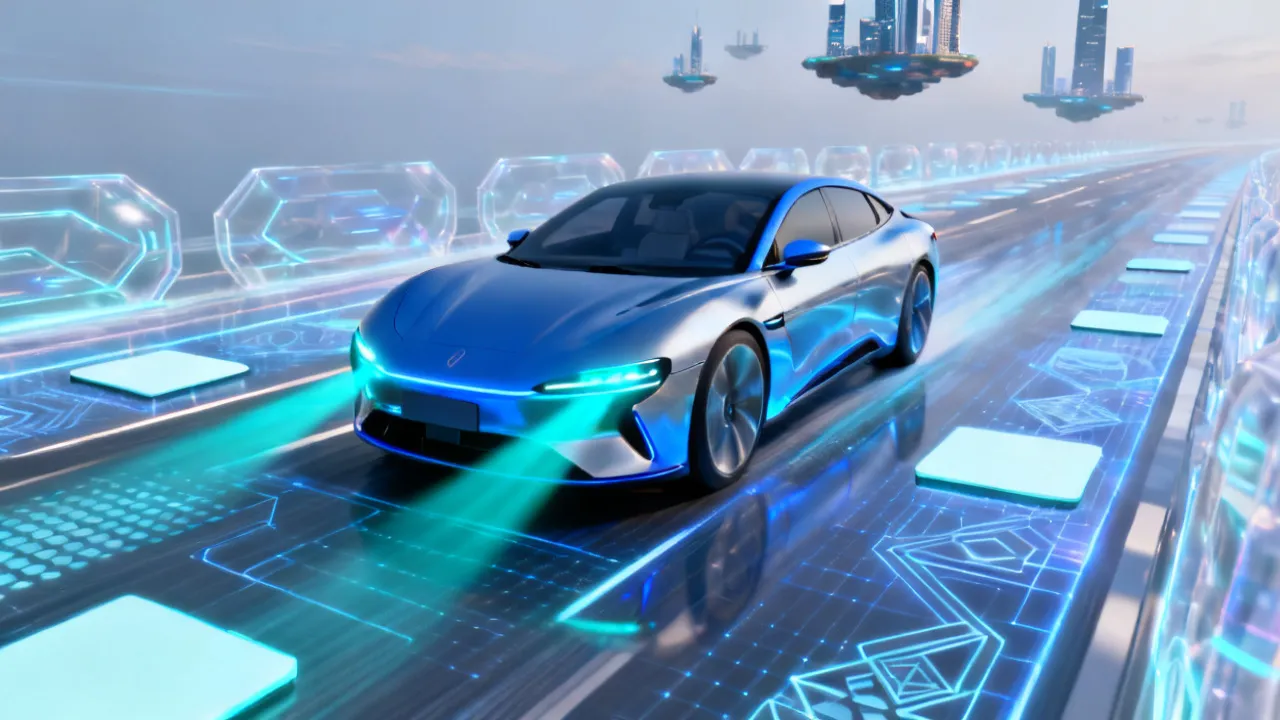
Additionally, autonomous driving technology is likely to converge with electric vehicles, creating new opportunities for convenience and further enhancing their appeal. Many industry experts believe that the combination of electric vehicles with autonomous technology will revolutionize how we perceive mobility, potentially leading to a more interconnected urban environment that boosts efficiency and reduces congestion.
FAQs
- Are electric automobiles reliable for long journeys?
Yes, modern electric vehicles can cover significant distances with advancements in battery technology leading to extended range capabilities. Many electric vehicles now have ranges comparable to traditional gasoline vehicles, with options available that can exceed 300 miles on a single charge. - What is the typical lifespan of an electric car battery?
Most electric car batteries have a warranty of 8 years or 100,000 miles, but they can last longer, with many manufacturers reporting batteries lasting over a decade with proper maintenance and care. - How does the cost of charging compare to gasoline?
Charging an electric vehicle generally costs significantly less than fueling a gasoline-powered vehicle, particularly as electricity becomes sourced more sustainably. On average, drivers can expect charging costs to be about 60-80% lower than gasoline costs, leading to substantial savings over time. - What incentives are available for purchasing electric automobiles?
Many countries offer tax credits, rebates, and lower registration fees to encourage the purchase of electric vehicles. Local governments may also provide benefits such as access to carpool lanes, reduced tolls, and even insurance discounts for EV owners. - Can I charge my electric vehicle at home?
Yes, many electric vehicle owners choose to install home charging stations that allow them to charge their cars overnight or during the day, ensuring that they always have a full charge without relying solely on public charging stations.
Embracing the transition to electric automobiles is not just a personal choice but a global necessity for creating a sustainable future. As technology continues to advance, electric vehicles will become increasingly accessible, making them an integral part of our everyday lives. The combination of environmental awareness, technological capability, and a supportive infrastructure propels electric vehicles to the forefront of the automotive revolution, shaping how future generations approach mobility and reducing our carbon footprint across the globe. The transition to electric automobiles is no longer a question of 'if' but 'when' and 'how.' As we drive into this electrified future, it is crucial to foster dialogues around sustainability, technological advancements, and community engagement to realize a transportation ecosystem that is equitable, efficient, and environmentally responsible.