Analyzing the Impact of Electric Automobiles
Electric automobiles are revolutionizing the transportation industry through innovation and sustainability. Offering substantial environmental benefits and cost-efficient operations, electric vehicles (EVs) represent a rapidly growing sector. As global interest rises, understanding the capabilities, challenges, and market dynamics becomes essential for both consumers and businesses eager to make informed decisions.
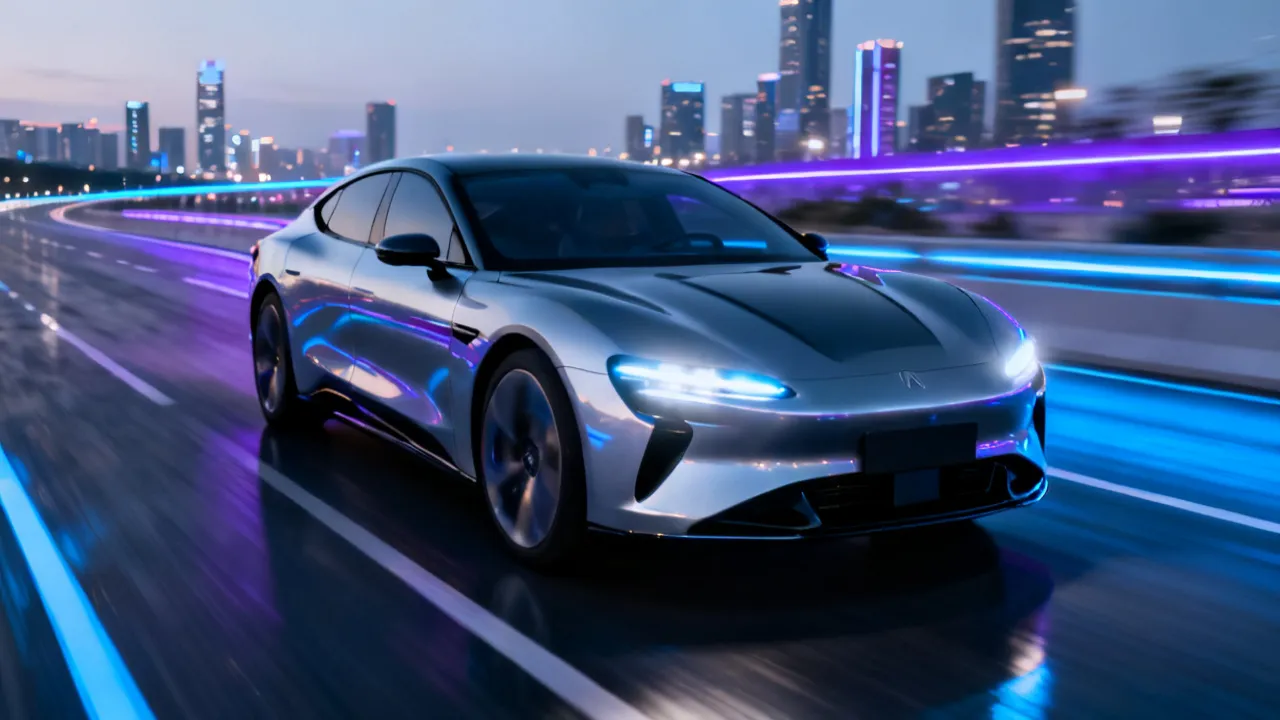
The Rise of Electric Automobiles
Over the past few decades, electric automobiles have transitioned from a niche interest to a mainstream vehicle choice. This evolution underscores a significant shift in the automotive industry, emphasizing sustainability, efficiency, and technological advancement. Electric vehicles (EVs) operate using electric motors powered by rechargeable batteries, reducing reliance on traditional fossil fuels and minimizing harmful emissions. This transformation aligns with global sustainability goals, positioning EVs as a pivotal component in addressing environmental and energy challenges.
Initially, electric automobiles were considered impractical with limited range and performance compared to their gasoline counterparts. Yet, technological advancements have drastically improved battery technology and electric drivetrain efficiency, leading to the production of vehicles that can compete with and even surpass traditional internal combustion engine (ICE) vehicles in various aspects such as speed, torque, and operating costs.
Key Benefits of Electric Automobiles
Electric automobiles offer numerous advantages, making them an attractive choice for both individual consumers and businesses:
- Environmental Impact: EVs produce zero tailpipe emissions, directly contributing to cleaner air and reduced carbon footprints. This is particularly significant in urban areas, where air quality is often compromised by traffic emissions.
- Cost Efficiency: While the initial purchase price of electric automobiles may be higher, lower fuel and maintenance costs can lead to substantial savings over time. Studies have shown that the cost per mile in electricity can be significantly lower than gasoline, particularly with the growing availability of renewable energy sources.
- Performance and Technology: Many electric vehicles provide impressive acceleration and innovative features such as regenerative braking, which recaptures energy during braking, and advanced driver assistance systems that enhance safety. The quiet operation of electric motors also contributes to a more serene driving experience.
- Government Incentives: Many countries offer incentives to encourage the adoption of electric vehicles, including tax rebates, grants, and exemptions from tolls or parking fees. These incentives help to balance the initial higher purchase price of electric vehicles.
- Energy Independence: The increased use of electric vehicles can contribute to reduced dependence on imported oil, enhancing national energy security and providing a buffer against fluctuating oil prices.
Challenges Facing the Electric Automobile Industry
Despite their advantages, electric automobiles face several challenges that impact their widespread adoption:
- Infrastructure Limitations: The availability of charging stations is uneven, particularly in rural and underdeveloped areas, creating range anxiety for potential buyers. Continuous efforts are being made to expand charging networks, including partnerships with businesses and governments to install fast chargers in strategic locations.
- Battery Technology: Innovations are crucial to improve battery life, reduce charging times, and enhance energy storage capabilities. Current lithium-ion batteries face limitations in charging speed, capacity, and lifecycle. Research into solid-state batteries and alternative chemistries holds promise for future breakthroughs that can address these issues.
- Market Readiness: Consumer hesitation, driven by higher upfront costs and limitations in vehicle range, continues to slow adoption rates. Increased education about the long-term benefits of EVs and their maintenance differences can help alleviate these concerns.
- Perception and Misconceptions: Many consumers still hold misconceptions about electric vehicles, including concerns regarding their reliability, performance in different weather conditions, and the environmental impact of battery manufacturing. Addressing these misconceptions through targeted marketing and informative campaigns can play a pivotal role in shifting public perception.
Comparative Analysis of Electric Automobiles
| Brand | Model | Base Price | Range | Charging Time |
|---|---|---|---|---|
| Tesla | Model 3 | $39,990 | 263 miles | 6-10 hours (home charger) |
| Nissan | Leaf | $31,600 | 150 miles | 7.5 hours (home charger) |
| Chevrolet | Bolt EV | $31,995 | 259 miles | 10 hours (home charger) |
| Ford | Mustang Mach-E | $42,895 | 230 miles | 10-38 minutes (DC fast charging) |
| Hyundai | IONIQ 5 | $39,700 | 300 miles | 18 minutes (DC fast charging) |
FAQs about Electric Automobiles
- What incentives are available for purchasing an electric automobile? Potential buyers can benefit from federal tax credits, state incentives, and rebates that vary depending on location and vehicle type. New policies may continue to emerge to encourage EV adoption, especially as governments establish stricter environmental regulations.
- How does an electric automobile differ from a hybrid vehicle? Unlike hybrids, which use a combination of a gasoline engine and an electric motor, electric automobiles are powered solely by electricity. This allows EVs to have fewer moving parts and often lower maintenance costs than hybrids.
- What are the maintenance requirements for electric vehicles? Electric automobiles generally have fewer moving parts than traditional vehicles, significantly reducing the need for regular maintenance such as oil changes. Regenerative braking systems can also reduce wear on brake components, further decreasing maintenance frequency.
- Is it possible to charge an electric vehicle at home? Yes, many owners charge their vehicles overnight using home charging stations, which vary in cost and installation requirements. Installing a Level 2 charger can greatly reduce charging time compared to a standard outlet.
- What is the lifespan of an electric vehicle battery? Most electric vehicle batteries are designed to last between 10 to 15 years, with many manufacturers offering warranties covering battery performance for up to 8 years or more. Advances in battery technology are also helping to extend the lifespan of new batteries.
- Can electric vehicles perform well in colder climates? Though the performance of electric vehicles can be affected by colder temperatures, many manufacturers are incorporating features to mitigate these effects, such as thermal management systems for batteries and battery heaters.
Conclusion: The Future of Electric Automobiles
The electric automobile industry is on the brink of expansive growth as technologies advance and infrastructure develops. Interest from major automotive companies and policy support from governments worldwide are driving this momentum. As consumers demand environmentally friendly and efficient transportation methods, electric vehicles will likely become an increasingly dominant force in the market, shaping the future of mobility for generations to come.
Moreover, the future of electric vehicles appears promising as more manufacturers embrace EV technology, driven by both market demand and regulatory pressures. Innovations in autonomous driving, vehicle connectivity, and enhanced battery technologies will push electric vehicles into new domains, furthering their practical applications in everyday life. The trend towards shared mobility services and ride-hailing platforms is also expected to boost the use of EVs, as these services strive to lower their environmental impact while maximizing operational efficiency.
As the landscape of transport continually evolves, the electric automobile sector stands as a beacon of a greener future—a motion towards not just individual convenience, but collective responsibility to our planet. In challenging traditional automotive paradigms, electric vehicles are not only transforming personal transportation but also instigating a wider shift towards renewable energy utilizations, potentially paving the way for a sustainable and resilient energy ecosystem.