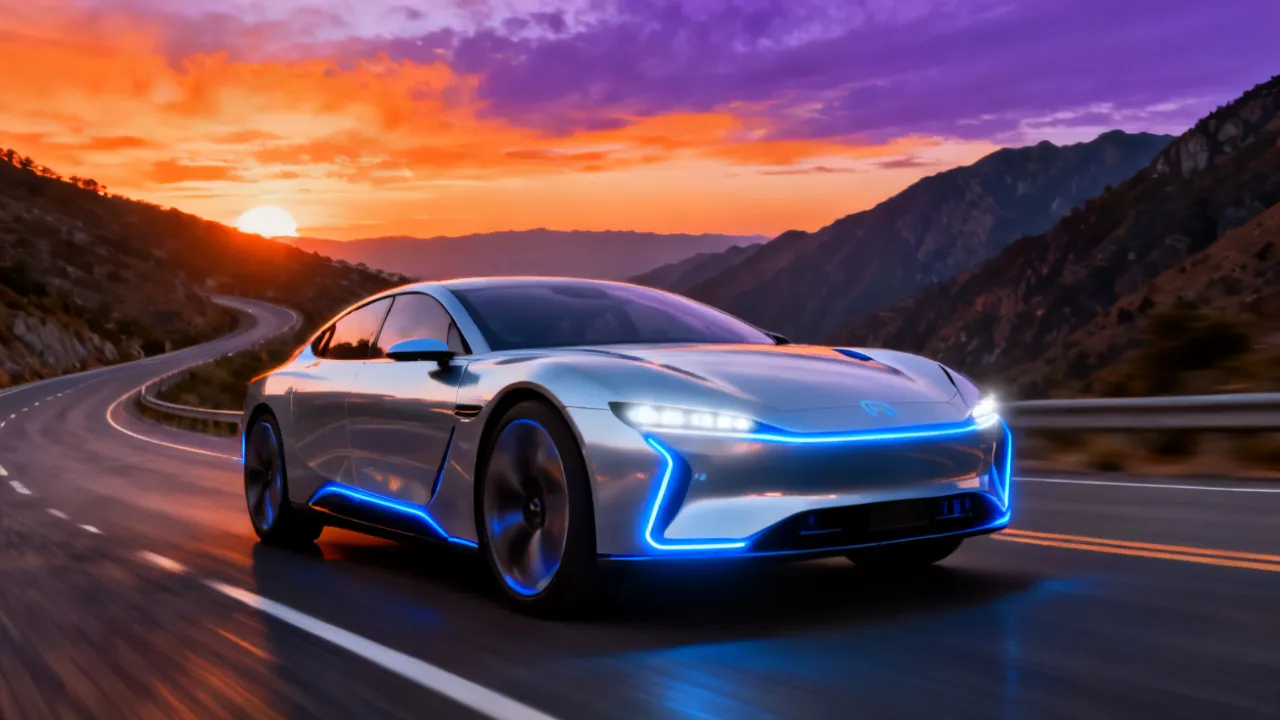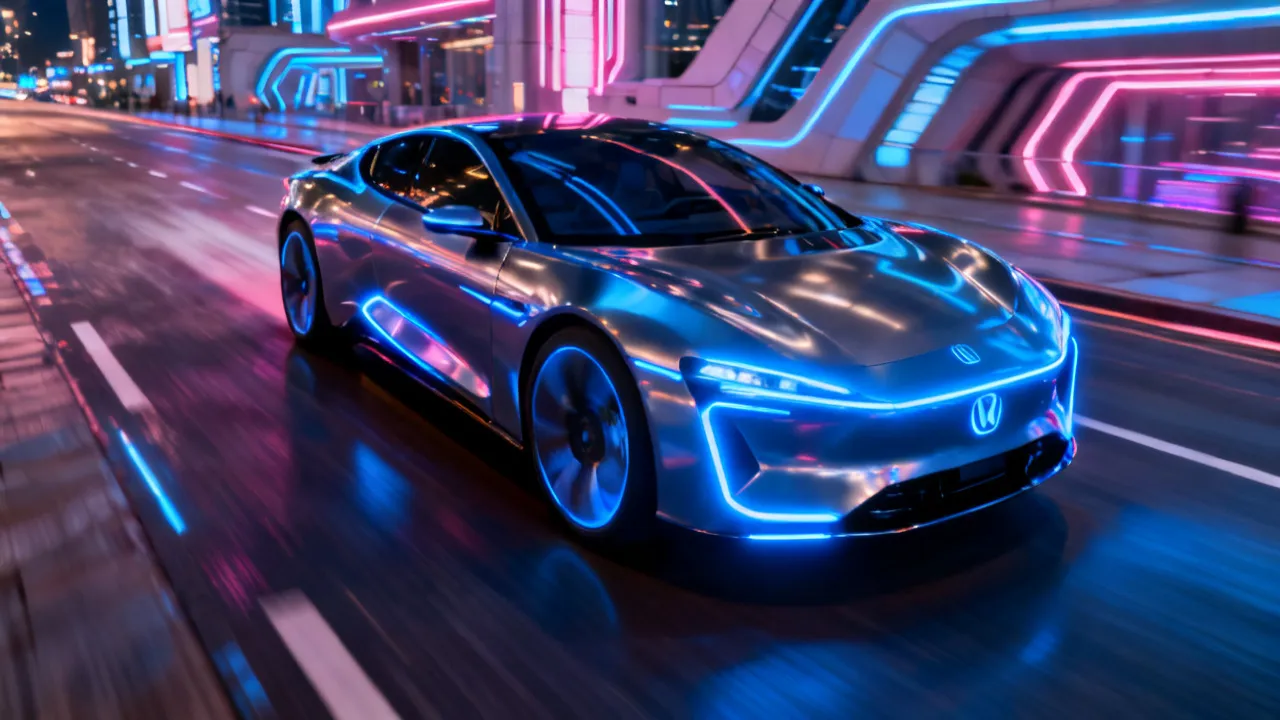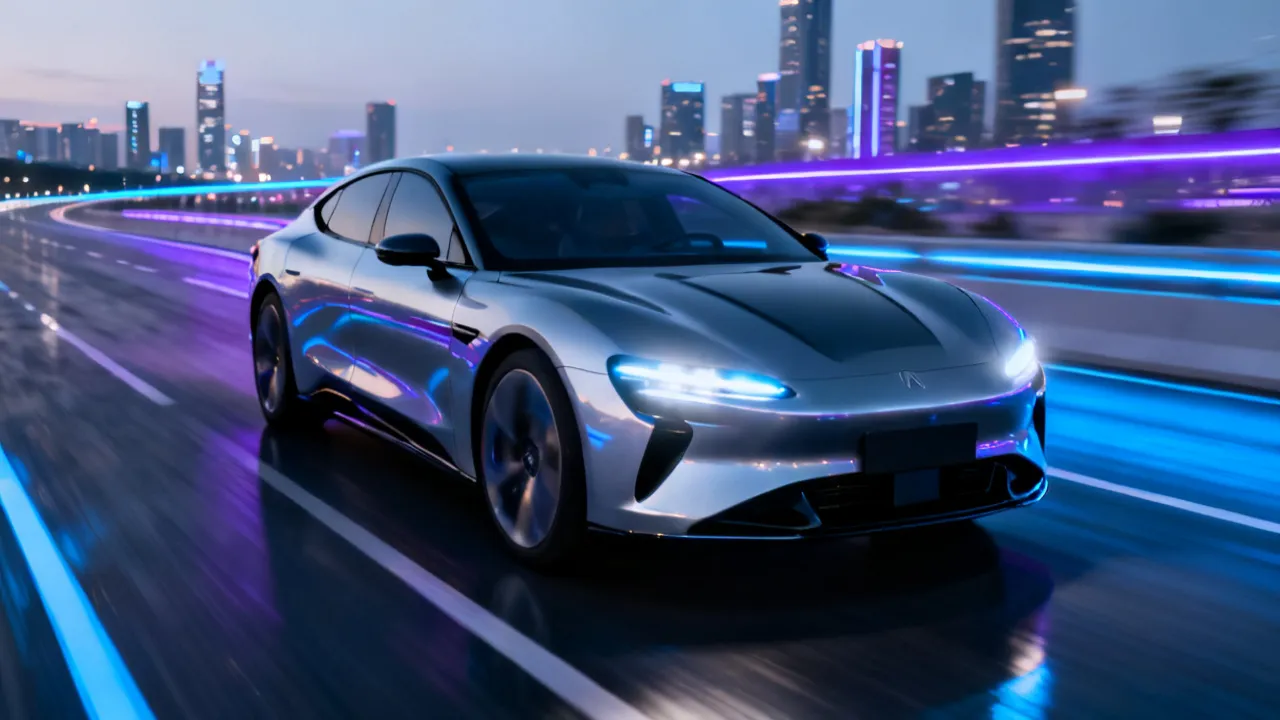
The Future of Electric Automobiles
This guide delves into the transformative world of electric automobiles, marking a revolutionary shift in the transportation industry. Electric vehicles (EVs) have gained momentum due to environmental concerns and advancements in battery technology. The article examines the benefits, challenges, and the future potential of electric cars in the global automotive market, offering invaluable insights for enthusiasts and skeptics alike.
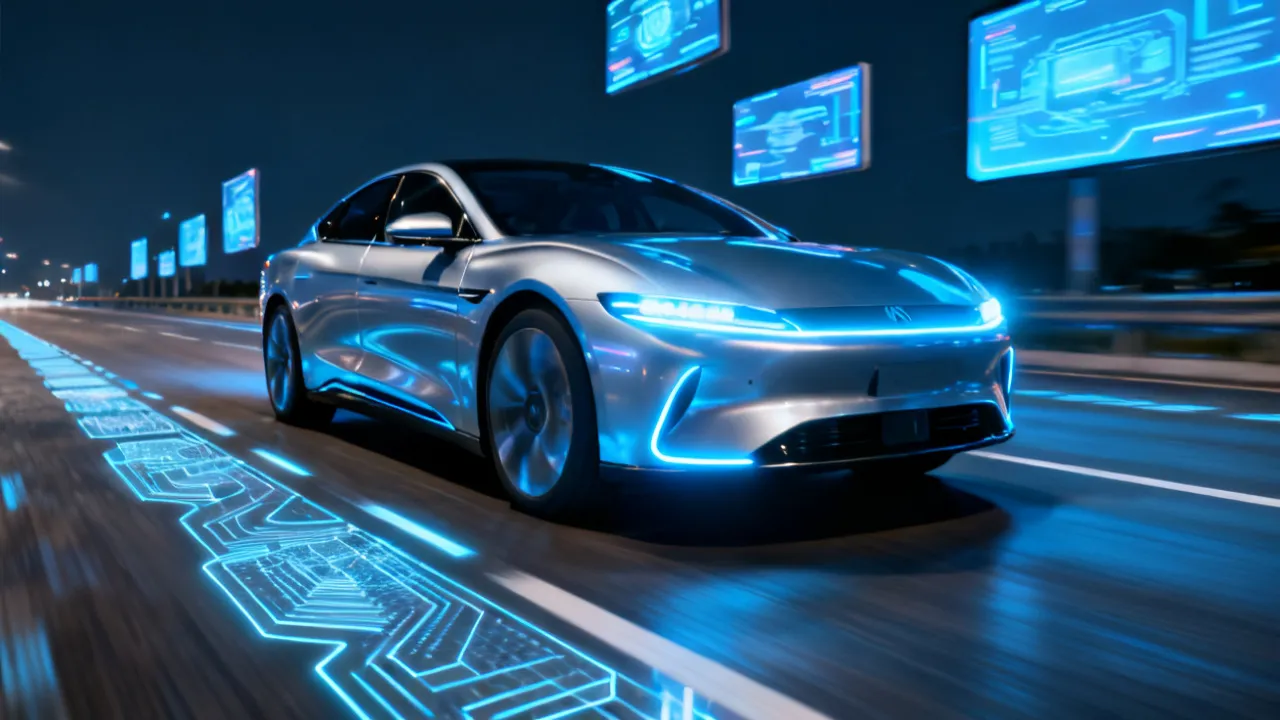
Introduction to Electric Automobiles
The rise of electric automobiles signifies a transformative journey in the realm of transportation, shaping the future of mobility around the globe. With growing environmental awareness and the enhancement of battery technology, electric vehicles (EVs) have become a pivotal focus of the automotive industry. The introduction of electric vehicles marks not just a shift in technology but a broad change in societal values, reflecting a collective desire for sustainability and innovation in our everyday lives.
The Evolution of Electric Vehicles
Electric automobiles are not a modern concept. Their origins trace back to the late 19th century, a time when they briefly eclipsed internal combustion engines (ICE) in popularity. The early models were innovative, drawing attention for their quiet operation and ease of use—attributes that made them desirable in urban environments. However, the widespread availability and affordability of gasoline shifted the industry's focus, sidelining electric technology until recent decades. After various technological phases, including the development of lead-acid batteries and, more recently, lithium-ion technology, electric vehicles are now experiencing a renaissance.
Today, the resurgence of EVs is fueled by several factors. These include regulatory policies supporting clean energy, consumer demand for sustainable transport, and technological advancements that enhance performance and affordability. Electric vehicles represent a broad category that includes Battery Electric Vehicles (BEVs), Plug-in Hybrid Electric Vehicles (PHEVs), and Hybrid Electric Vehicles (HEVs), each offering varying degrees of electric propulsion. The distinct differences among these vehicle types showcase the various pathways towards electrification and demonstrate the diverse opportunities for consumers.
Key Advantages of Electric Automobiles
Electric vehicles offer significant advantages over their fossil fuel predecessors, which include:
- Environmental Impact: EVs produce zero direct emissions, significantly reducing the carbon footprint and air pollution in urban environments. This aspect is particularly crucial as cities around the world grapple with increasing levels of pollution and health issues associated with conventional vehicles.
- Energy Efficiency: Electric motors convert a higher percentage of energy into vehicle movement compared to internal combustion engines. For instance, conventional gas-powered engines typically convert only around 20% of the energy from fuel into useful work. In contrast, electric vehicles can achieve efficiencies of around 60-70%, making them a more sustainable choice.
- Lower Operating Costs: Despite higher initial purchase prices, EVs generally incur lower lifetime operating expenses due to cheaper electricity compared to gasoline, reduced maintenance requirements, and fewer moving parts that can wear out over time. Additionally, many users find opportunities to charge their EVs overnight at lower utility rates, further decreasing fuel costs.
- Performance Benefits: Electric motors deliver instant torque and acceleration, providing a responsive driving experience that many drivers find thrilling. This characteristic makes many EVs incredibly fun to drive, often challenging the perception that economical vehicles lack performance.
Challenges Facing Electric Automobiles
While the benefits are compelling, electric automobiles face several challenges that could impede their widespread adoption:
- Initial Cost: The upfront cost of electric vehicles remains higher than traditional vehicles, a barrier for many consumers. Even with government incentives and tax credits in place, the price tag can still be daunting for potential buyers, particularly those who are not ready to make a significant investment.
- Range Anxiety: Limited range and insufficient charging infrastructure in many regions can deter potential buyers. While advancements are being made, many drivers still hold reservations about their ability to complete long trips without the inconvenience of running out of charge.
- Battery Life and Disposal: The longevity and environmental impact of lithium-ion batteries remain concerns. Questions about how to recycle or dispose of these batteries responsibly at the end of their life cycle, as well as the environmental impact of lithium mining, surface in discussions about the sustainability of EVs.
- Charging Time: Unlike refueling conventional cars, recharging an electric vehicle can take significantly longer. Even with advanced charging stations, many EVs still require a considerable amount of time to reach a full charge compared to the few minutes it takes to fill up a gas tank.
The Role of Policy and Infrastructure
Governments worldwide play a crucial role in the electric vehicle movement by implementing policies to encourage EV adoption. Various strategies such as tax incentives, rebates, grants, and direct subsidies reduce purchase costs. Furthermore, investments in charging infrastructure enhance accessibility and ease of use. Many regions are already seeing an explosion in public charging stations—an effort coordinated between government, private investment, and partnerships with utility companies.
Additionally, emission regulations are tightening, pushing automakers to innovate and expand their electric offerings. For instance, countries like Norway plan to ban the sale of new fossil fuel-powered cars by 2025, making a concerted effort to foster a fully electric public transit environment. Such initiatives not only accelerate the transition to EVs but also set frameworks that other nations can follow, further solidifying electric vehicles as the future of personal transport.
Electric Automobiles in the Global Markets
The adoption of electric vehicles varies significantly across regions, shaped by cultural preferences, economic conditions, and government policies. In Europe, stringent emissions targets and strong regulatory support are driving increased EV sales, with countries like Germany, the Netherlands, and the United Kingdom leading the charge with substantial government incentives.
Meanwhile, North America's focus remains on enhancing mass-market appeal and infrastructure. The U.S., although slower to adopt in earlier years, is witnessing a dramatic surge in consumer interest thanks to a combination of better financial incentives and a growing variety of models offered by manufacturers. The Biden administration's commitment to reducing greenhouse gas emissions by proposing stricter vehicle emissions standards and bolstering EV infrastructure signals confidence in electric technology's potential.
In Asia, especially China, the dominance in production and consumption incentives leads the global EV charge. China has aggressively adopted electric mobility as part of its strategy to reduce pollution and greenhouse gas emissions while boosting its economy through homegrown car manufacturers. Chinese government incentives have created an unprecedented landscape for EVs, making the country the largest electric vehicle market worldwide. Additionally, EV manufacturers in China, such as BYD and NIO, are rapidly innovating and expanding, often leading technology and design benchmarks globally.
Technological Innovations in Electric Vehicles
Advancements in battery technology, such as solid-state batteries, promise greater range, faster charging, and enhanced safety. Solid-state batteries replace the liquid electrolyte with a solid, potentially increasing safety while allowing for greater energy density. These innovations could lead to electric vehicles with ranges exceeding 400 miles on a single charge, addressing one of the most significant concerns of consumers.
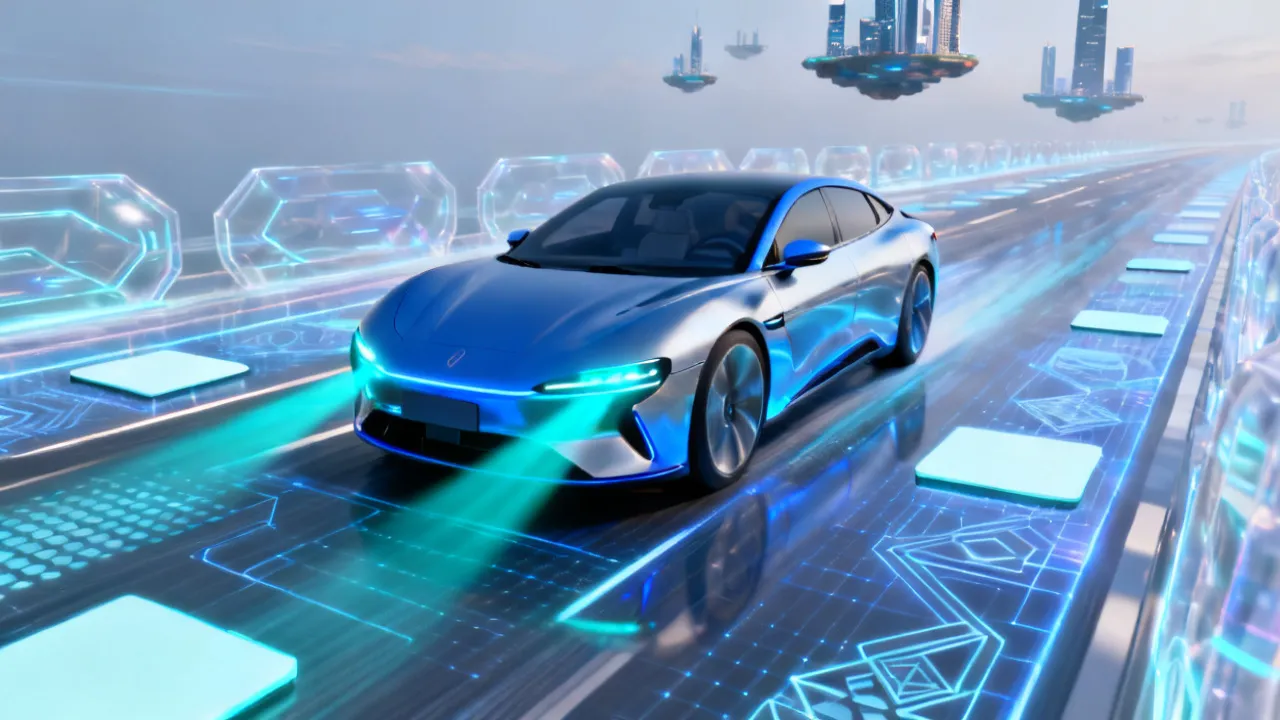
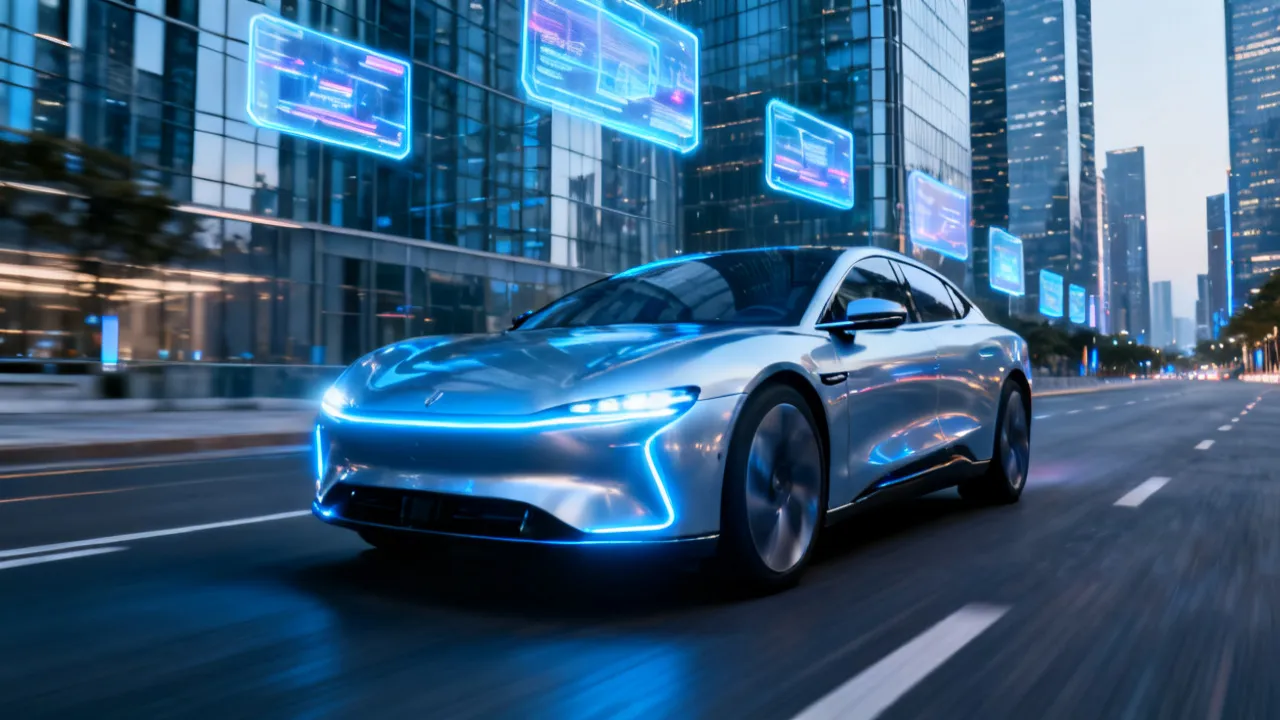
Meanwhile, autonomous driving systems and smart connectivity features are poised to redefine user experience, combining sustainability with luxury and convenience. Automation technology is quickly advancing, with many electric vehicles now offering semi-autonomous features such as lane assist and adaptive cruise control. These systems enhance safety while simultaneously making the driving experience more enjoyable, paving the way for fully autonomous electric vehicles in the future.
Furthermore, integration with smart grid technologies allows electric vehicles to provide energy back to the grid during peak demand periods. This bi-directional charging capability transforms vehicles from being mere consumers of electricity into active contributors to energy management, potentially reducing grid strain and enhancing renewable energy usage.
The Future Outlook for Electric Automobiles
The electric automobile industry stands on the precipice of significant expansion. Analysts forecast exponential growth, driven by declining battery costs, improved technologies, and a global thrust towards cleaner energy solutions. As the infrastructure gap narrows and innovative financing models make EVs more accessible, the electrification trend will likely accelerate. Countries are setting ambitious targets for electric vehicle adoption, with many aiming for a future where EVs comprise the majority of vehicle sales.
Additionally, as traditional automakers ramp up their investments in electric technology, the competition will likely result in continuous improvements in product offerings, including range enhancements, performance upgrades, and reduced costs. The continuous evolution of consumer attitudes towards sustainability will further cement the position of electric vehicles as a mainstream choice rather than a niche market.
Comparison of Major Electric Vehicle Models
| Model | Range | Price | Features |
|---|---|---|---|
| Tesla Model 3 | 358 miles | Starting at $40,000 | Autopilot, minimalistic interior, over-the-air software updates |
| Nissan Leaf | 226 miles | Starting at $31,000 | ProPILOT Assist, advanced safety features, spacious interior |
| Chevy Bolt EV | 259 miles | Starting at $37,000 | DC fast charging capability, versatile cargo space |
| Ford Mustang Mach-E | 300 miles | Starting at $43,000 | Impressive performance, spacious cabin, stylish design |
| Volkswagen ID.4 | 250 miles | Starting at $39,995 | Modern tech, roomy interior, customizable options |
Common Questions about Electric Vehicles
Are electric vehicles more expensive than gasoline cars?
Though initially pricier, electric vehicles offset cost differences through lower running costs over their lifecycle. Additionally, many countries offer rebates and tax incentives that can significantly lessen the financial burden.
How long do electric vehicle batteries last?
EV batteries are designed to last between 8 to 10 years, with warranties often covering this period. Many manufacturers are also making strides in battery durability, ensuring they maintain effectiveness even after extensive use.
Is charging infrastructure sufficient?
While continually expanding, charging infrastructure remains a work in progress, with urban areas typically better serviced. Rural areas might experience more challenges; however, many initiatives are targeting equitable charging solutions.
Do electric vehicles perform well in cold weather?
Cold weather can impact battery life and performance, leading to a reduced range. However, many modern electric vehicles are equipped with features such as battery preconditioning to help maintain performance, and heated features ensure driver comfort.
Conclusion
The transition to electric automobiles represents a pivotal evolution in personal mobility, aligning the transportation industry with eco-friendly objectives and technological advancements. As electric cars continue to penetrate the market, factors such as increasing consumer awareness, savings on fuel costs, and government policies will remain paramount. Consumers, manufacturers, and policymakers are critical actors in propelling this shift toward a sustainable, electric-driven future. Alongside innovations in battery technology, infrastructure expansion, and evolving attitudes toward electric mobility, the road ahead appears promising for the electric vehicle sector, promising a cleaner and more efficient transport system for generations to come.